The Role of the Arabic Alphabet in Arabic Proverbs
Have you ever wondered how the unique script of the Arabic alphabet influences the language’s rich tapestry of proverbs? 🌟 Arabic proverbs are not just words strung together; they are a reflection of culture, wisdom, and history. Let’s dive into the fascinating world of the Arabic alphabet and its pivotal role in shaping these timeless expressions.
Table of Contents
1. Introduction
2. The Arabic Alphabet: A Brief Overview
3. The Connection Between Script and Meaning
4. Cultural Significance of Arabic Proverbs
5. Conclusion
6. FAQs
The Arabic Alphabet: A Brief Overview
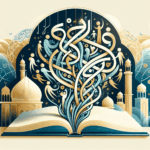
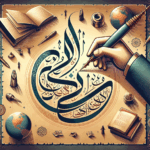
The Arabic alphabet is more than just a set of characters; it is an essential part of the language’s identity. With 28 letters, the script is written from right to left and is known for its beautiful, flowing calligraphy. This elegant script is not only a tool for communication but also a form of art. 🎨
Each letter holds a unique sound and shape, contributing to the overall meaning and rhythm of the language. This is particularly important in the context of proverbs, where every nuance can add layers of meaning.
The Connection Between Script and Meaning
In Arabic proverbs, the aesthetic and phonetic qualities of the alphabet play a crucial role. The way letters are combined can affect the proverb’s rhythm, making it more memorable and impactful. Just like a catchy tune, a well-crafted proverb stays with you. 🎶
For instance, the repetition of certain sounds can emphasize a point or create a musical quality that enhances the proverb’s delivery. The choice of specific letters can also evoke particular emotions or associations, adding depth to the saying.
Cultural Significance of Arabic Proverbs
Arabic proverbs are a window into the culture, offering insights into values, beliefs, and everyday life. They encapsulate wisdom passed down through generations, often using vivid imagery and metaphor. 🏜️
The structure of the Arabic alphabet allows these proverbs to be concise yet powerful. The economy of words is a testament to the language’s ability to convey complex ideas succinctly. This is why proverbs remain a popular and enduring form of expression in Arabic-speaking communities.
Conclusion
The Arabic alphabet is not just a writing system; it is a cornerstone of Arabic proverbs and, by extension, the culture itself. The interplay between script, sound, and meaning creates proverbs that are not only linguistically rich but culturally significant. So next time you come across an Arabic proverb, take a moment to appreciate the intricate dance of letters and sounds that bring it to life. 🌟
FAQs
Q1: Why are Arabic proverbs so important in the culture?
A: Arabic proverbs distill generations of wisdom into memorable phrases, reflecting cultural values and everyday life.
Q2: How does the Arabic script influence the meaning of proverbs?
A: The script’s phonetic and aesthetic qualities enhance the proverb’s rhythm and emotional impact, making it memorable.
Q3: Can non-Arabic speakers appreciate Arabic proverbs?
A: Absolutely! While understanding the language adds depth, translations often capture the underlying wisdom and cultural insights.
Q4: What makes Arabic calligraphy unique in proverbs?
A: Arabic calligraphy adds an artistic dimension to proverbs, blending visual beauty with linguistic expression.
Q5: Are there modern Arabic proverbs being created today?
A: Yes, the tradition continues with contemporary proverbs that reflect modern life while maintaining the essence of cultural wisdom.