The Role of the Arabic Alphabet in Arab National Identity 📜
The Arabic alphabet is more than just a script; it’s a powerful symbol of cultural unity and identity for millions across the Arab world. This blog post explores how this beautiful and historic script plays a crucial role in shaping Arab national identity. Whether you’re a language enthusiast or just curious about cultural dynamics, this deep dive promises to enlighten and engage you.
Table of Contents
1. Introduction
2. The Historical Roots of the Arabic Alphabet 🌿
3. Cultural Significance and Unity 🤝
4. Arabic Calligraphy: An Art Form and Identity 🎨
5. The Arabic Alphabet in Modern Times 📱
6. Conclusion
7. FAQs
The Historical Roots of the Arabic Alphabet 🌿
The Arabic alphabet, used by over 420 million people, dates back to the 4th century CE. Emerging from the Nabataean script, it has evolved over centuries, adapting to the diverse languages of the Arab world. This rich history isn’t just an academic interest but a living legacy, bridging the past with the present and future.
Cultural Significance and Unity 🤝
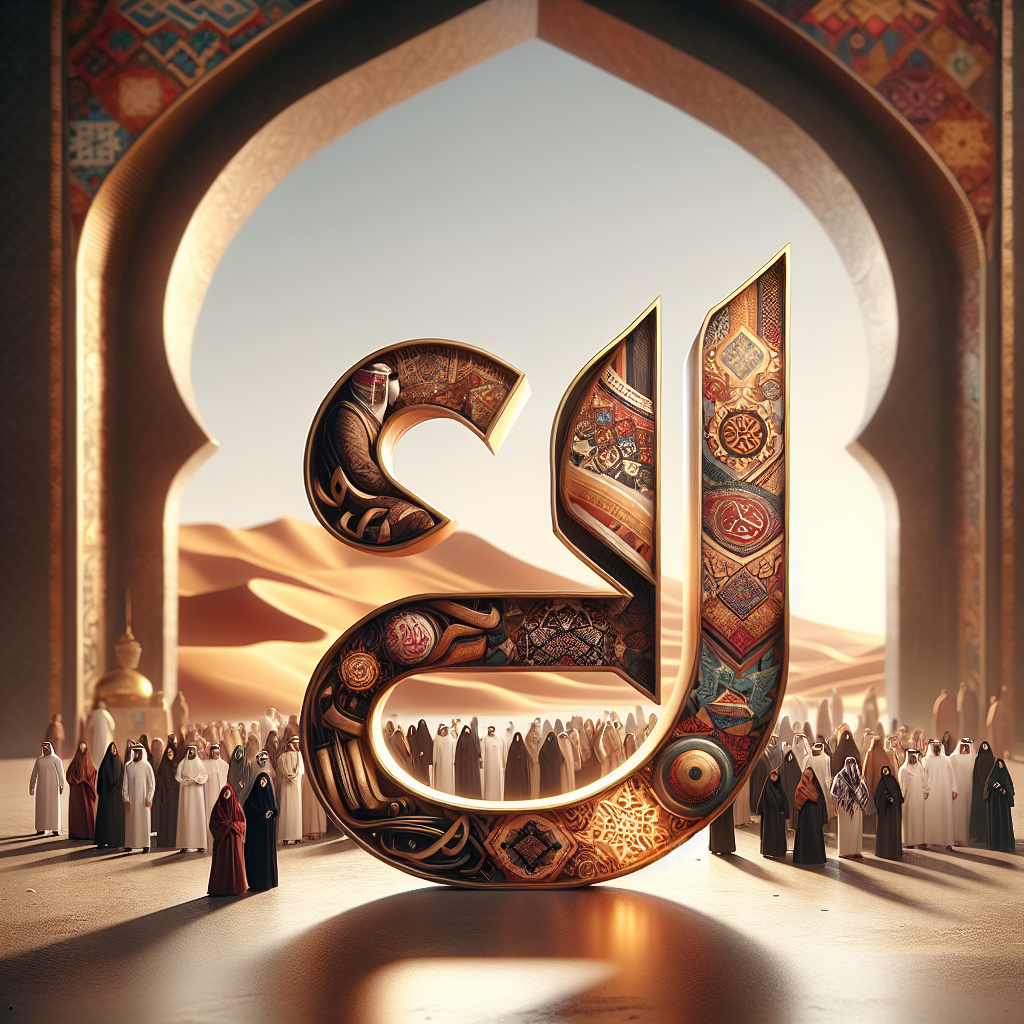
In a region as diverse as the Arab world, spanning continents and cultures, the Arabic alphabet provides a unifying thread. It’s not just a medium of communication but a symbol of shared heritage and values. From Morocco to Iraq, the script acts as a cultural passport, fostering a sense of belonging and community among its speakers.
Arabic Calligraphy: An Art Form and Identity 🎨
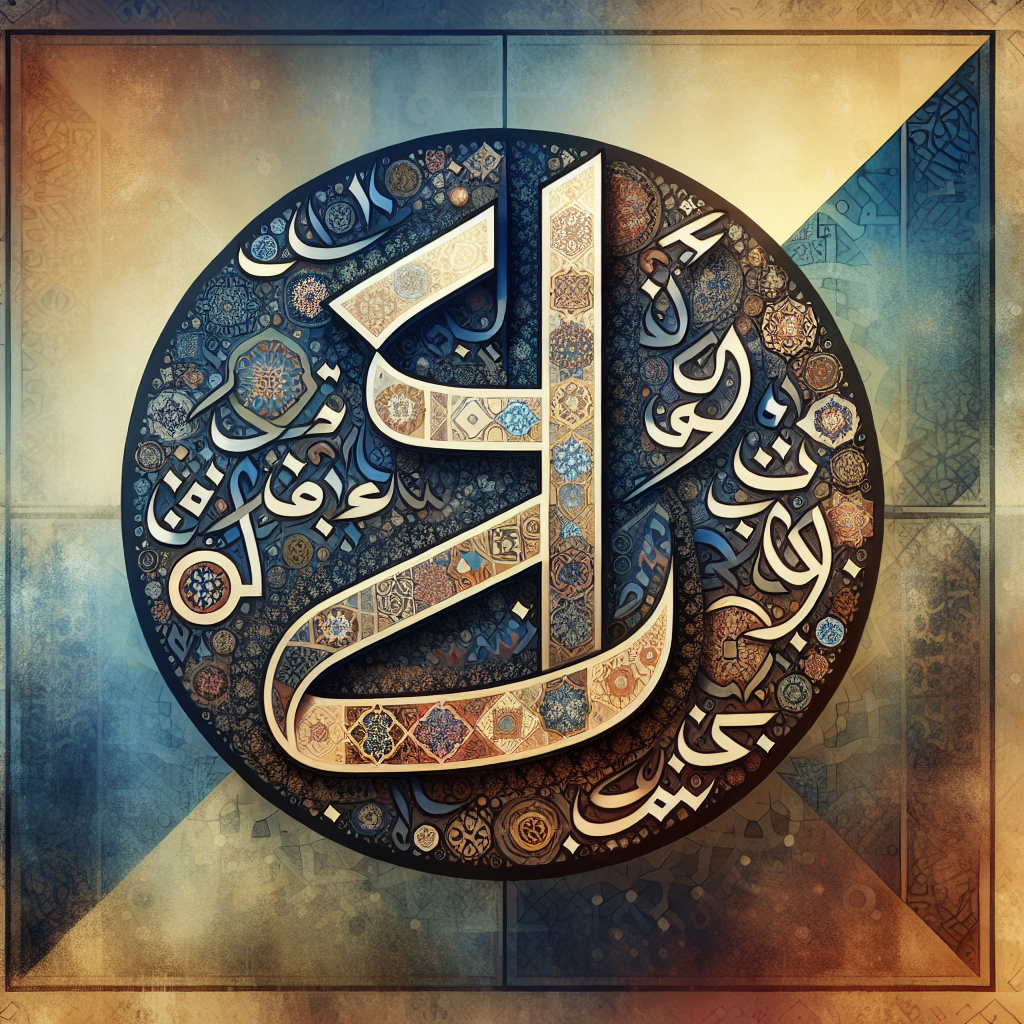
Arabic calligraphy is a revered art form, celebrating the beauty of the script. Artists use it to express religious devotion, cultural pride, and personal creativity. This artistic expression has been pivotal in reinforcing the cultural identity of the Arab world, showcasing the elegance and depth of the Arabic script.
The Arabic Alphabet in Modern Times 📱
In today’s digital age, the Arabic alphabet continues to adapt and thrive. Social media platforms, smartphones, and other technologies incorporate the script, ensuring its relevance and accessibility. The digital presence of the Arabic alphabet not only preserves linguistic heritage but also connects younger generations to their roots in innovative ways.
Conclusion
The Arabic alphabet is a cornerstone of Arab national identity, a bridge between generations, and a testament to cultural resilience. Its impact is felt not just in literature and art but in the everyday lives of those who use it. As we look to the future, the script will undoubtedly continue to play a crucial role in shaping and expressing Arab identity.
FAQs
What is the origin of the Arabic alphabet?
The Arabic alphabet originated from the Nabataean script in the 4th century CE, evolving over time to become the script used by millions today.
How does the Arabic alphabet promote unity in the Arab world?
The Arabic alphabet acts as a unifying symbol, connecting diverse cultures and countries within the Arab world through a shared language and heritage.
Why is Arabic calligraphy important?
Arabic calligraphy is an esteemed art form that celebrates the beauty and depth of the Arabic script, reinforcing cultural identity and pride.
How is the Arabic alphabet used in modern technology?
The Arabic alphabet is widely used in digital platforms, including social media and smartphones, ensuring its continued relevance and accessibility in the modern age.
How does the Arabic alphabet influence Arab identity?
The Arabic alphabet is integral to Arab identity, serving as a cultural and historical symbol that unites people across the Arab world.