The Impact of the Arabic Alphabet on Modern Graphic Design
When you think about graphic design, what comes to mind? Vibrant colors, bold typography, and eye-catching layouts? Well, there’s another element that’s quietly shaping the world of design: the Arabic alphabet. This script is not only ancient but also incredibly versatile, making waves in modern graphic design globally. 📚✨
Table of Contents
1. Introduction
2. A Brief History of the Arabic Alphabet
3. The Unique Characteristics of Arabic Script
4. Arabic Calligraphy: A Design Trend
5. The Influence of Arabic Script in Contemporary Design
6. Conclusion
7. FAQs
A Brief History of the Arabic Alphabet
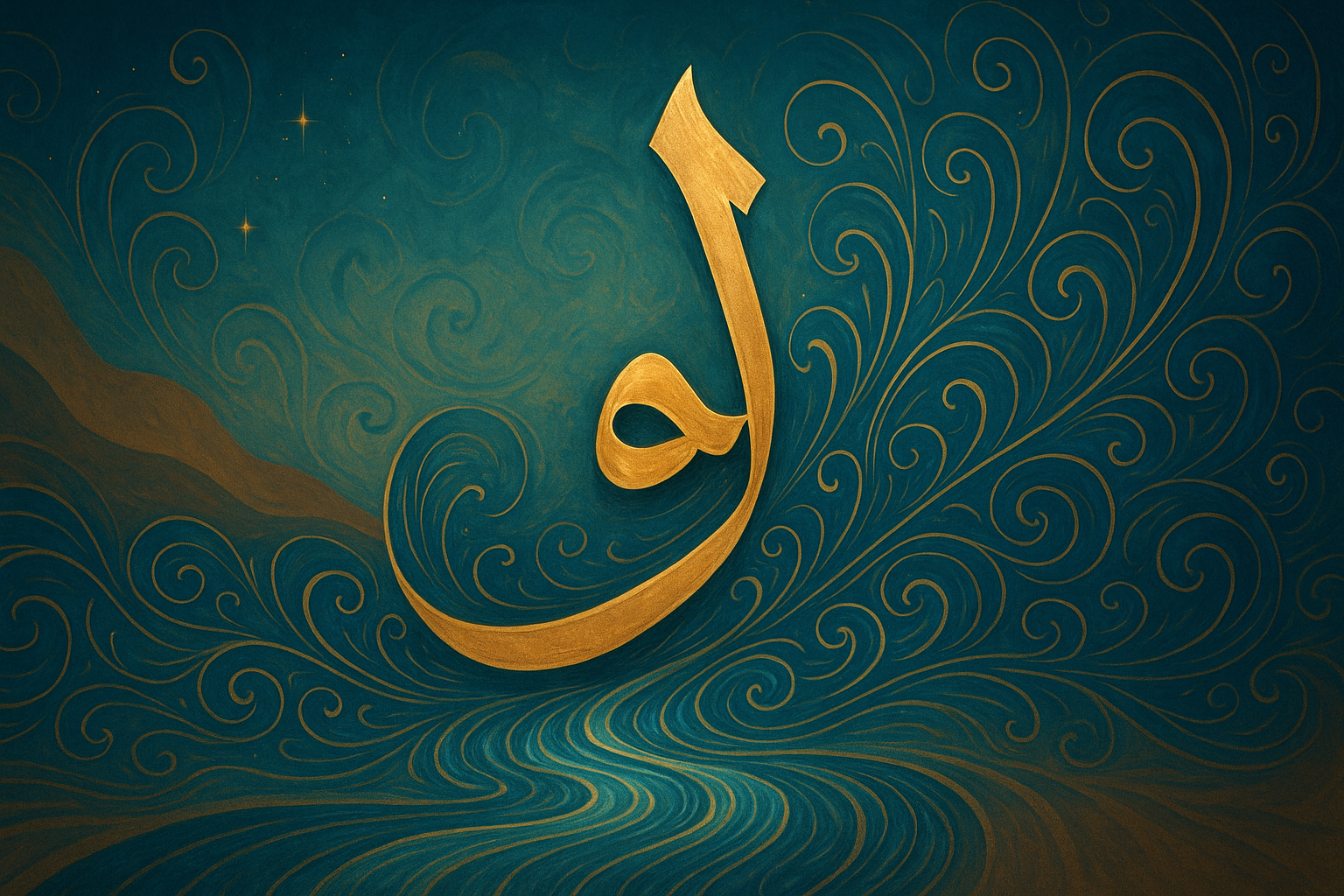
The Arabic alphabet has been around since the 4th century CE, evolving from the Nabataean script. Its development was not merely functional but also an art form that has transcended time and geography. Today, it’s not just a writing system but an aesthetic phenomenon influencing modern design. 🕰️✍️
The Unique Characteristics of Arabic Script
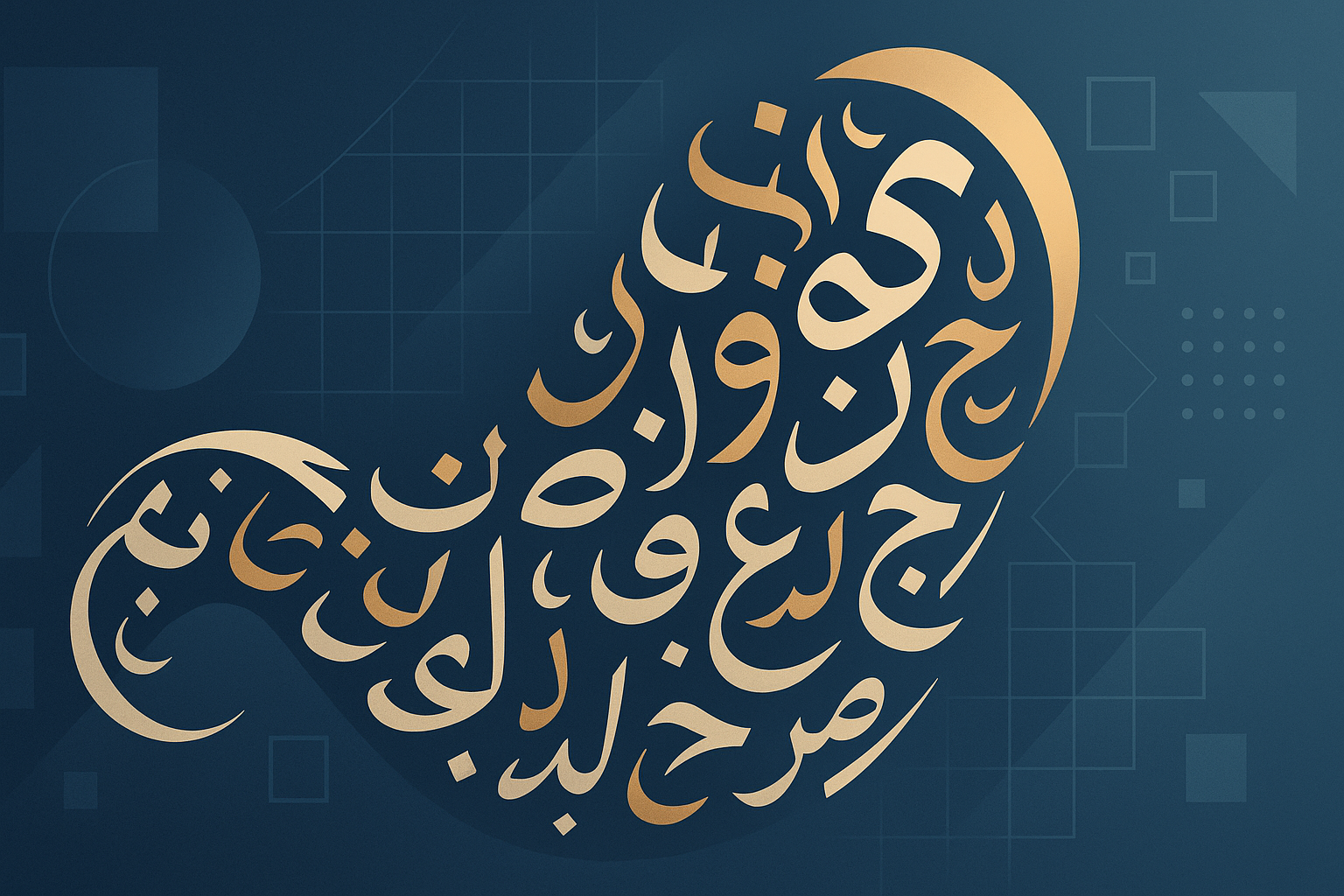
One of the most fascinating aspects of the Arabic alphabet is its fluidity. Unlike Latin scripts, Arabic letters connect, creating a flowing, dynamic appearance. This connectivity allows for a high level of artistic expression, making it a favorite among designers looking to infuse a sense of movement and elegance into their work. The script’s ability to transform and adapt without losing its essence is what makes it so appealing. 🎨✨
Arabic Calligraphy: A Design Trend
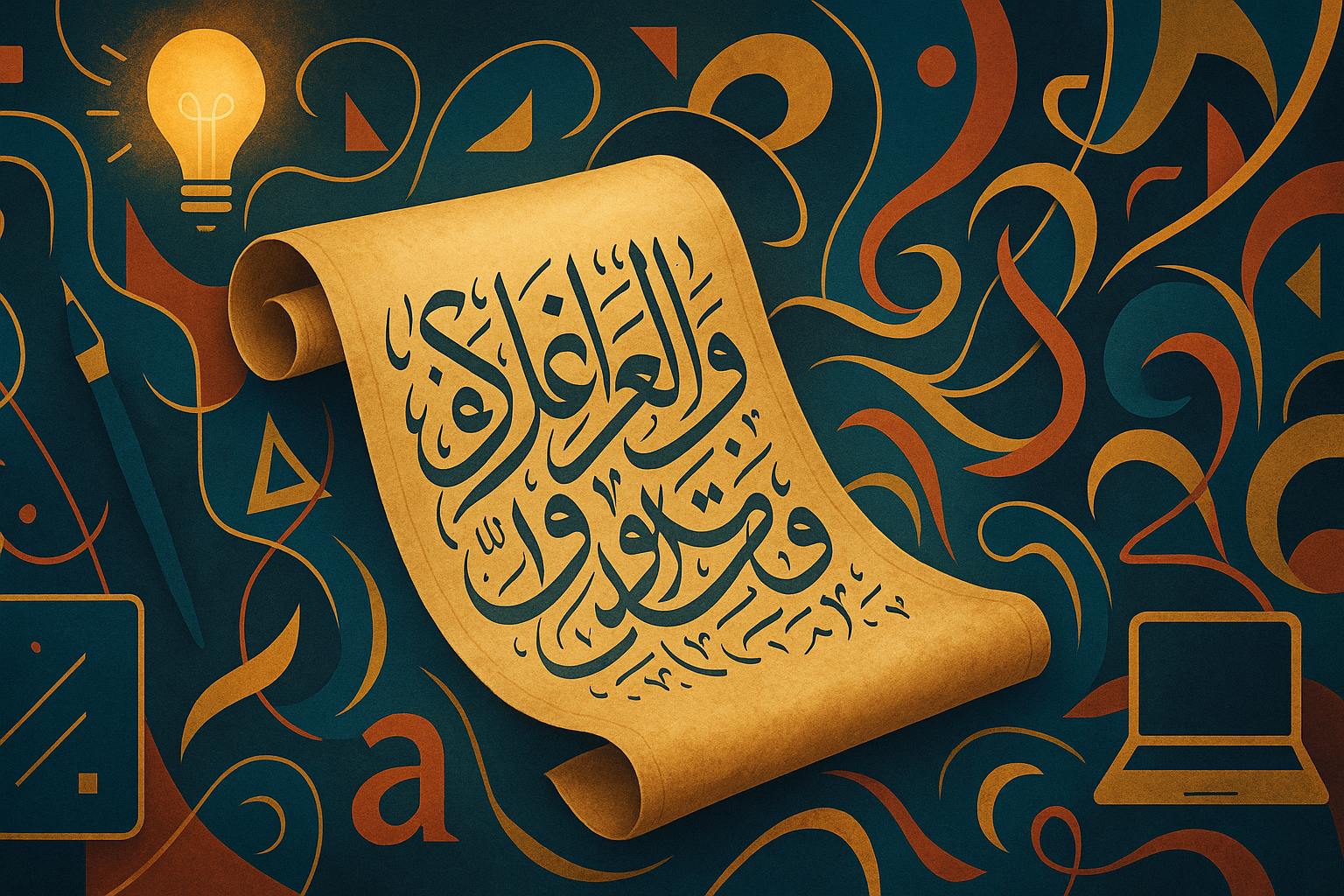
Arabic calligraphy isn’t just about writing; it’s an art form in itself. Designers across the globe are incorporating Arabic calligraphy into their projects to add a touch of sophistication and cultural depth. From logos to packaging and digital interfaces, the aesthetic appeal of Arabic calligraphy is undeniable. It tells a story, evokes emotion, and lends a unique identity to any design project. 🖌️🖋️
The Influence of Arabic Script in Contemporary Design
The versatility of the Arabic script is making waves in contemporary design. Designers are blending traditional elements with modern styles to create something entirely new and refreshing. This fusion is evident in fashion, interior design, and even in branding strategies. The script offers endless possibilities for innovation, allowing designers to experiment with form and function creatively. 🌍🖼️
Conclusion
The Arabic alphabet is more than just a means of communication; it’s a source of inspiration for designers worldwide. Its rich history, unique characteristics, and adaptability continue to influence modern graphic design, proving that ancient scripts can indeed find a place in contemporary art forms. Whether you’re a designer or just someone who appreciates beauty in all its forms, the impact of the Arabic script is hard to overlook. 💡
FAQs
Q1: Why is the Arabic alphabet popular in modern design?
A: Its fluidity and adaptability allow for unique artistic expressions that are visually appealing and culturally rich.
Q2: Can the Arabic script be used in non-Arabic design projects?
A: Absolutely! Many designers incorporate it to add a layer of sophistication and cultural depth to their work.
Q3: How can I learn more about Arabic calligraphy?
A: There are numerous online courses and workshops available for beginners interested in exploring the art of Arabic calligraphy.
Q4: Is Arabic calligraphy difficult to learn?
A: Like any art form, it requires practice and patience, but with dedication, it can be a rewarding skill to master.