The Arabic Alphabet in the World of Modern Technology 🌐
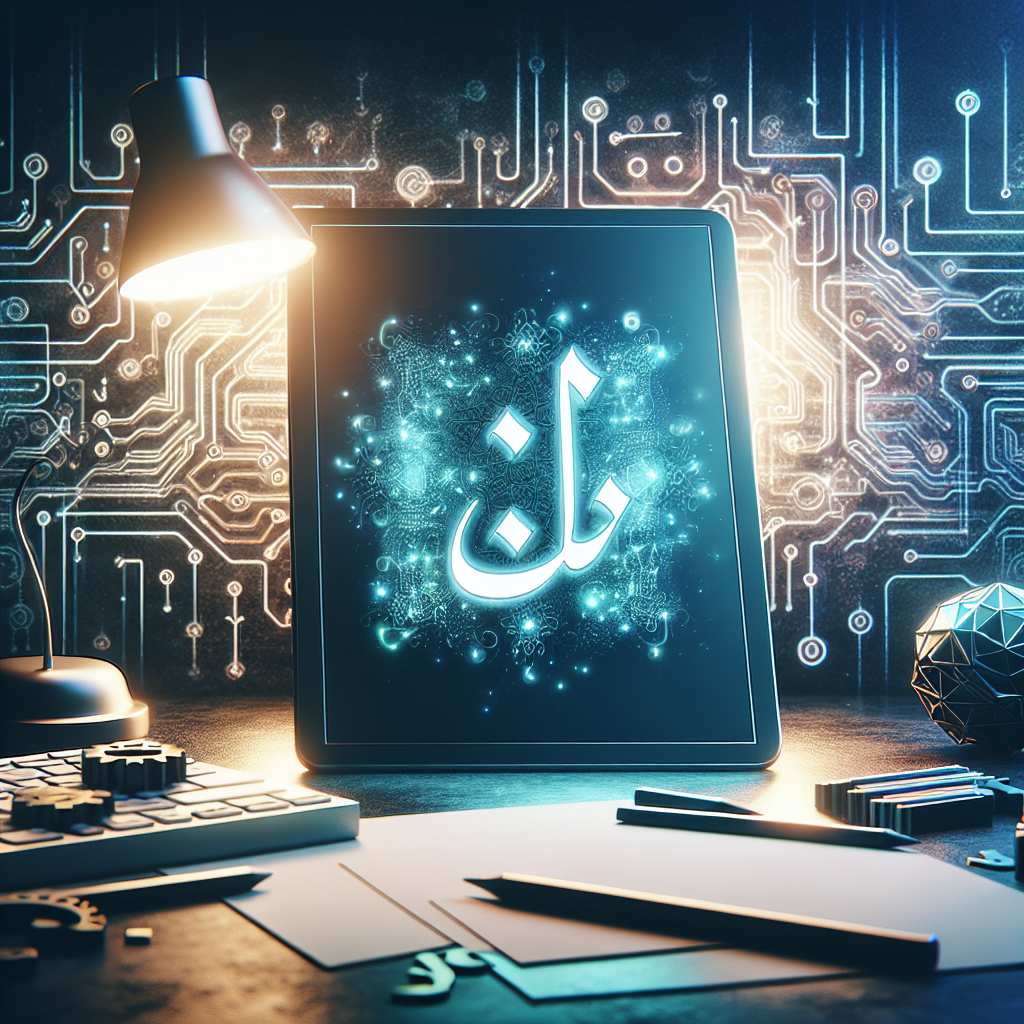
The digital age has transformed how we interact with language. From keyboards to voice recognition, technology has brought languages closer to our fingertips, and the Arabic alphabet is no exception. In this blog post, we’ll explore how the Arabic script fits into today’s tech landscape, its challenges, and the innovations shaping its digital presence.
Table of Contents
1. Introduction to the Arabic Alphabet
2. The Role of Arabic in Modern Technology
3. Challenges Facing Arabic Script in Tech
4. Innovations and Solutions 🌟
5. The Future of Arabic in the Digital World
6. Conclusion
7. FAQs
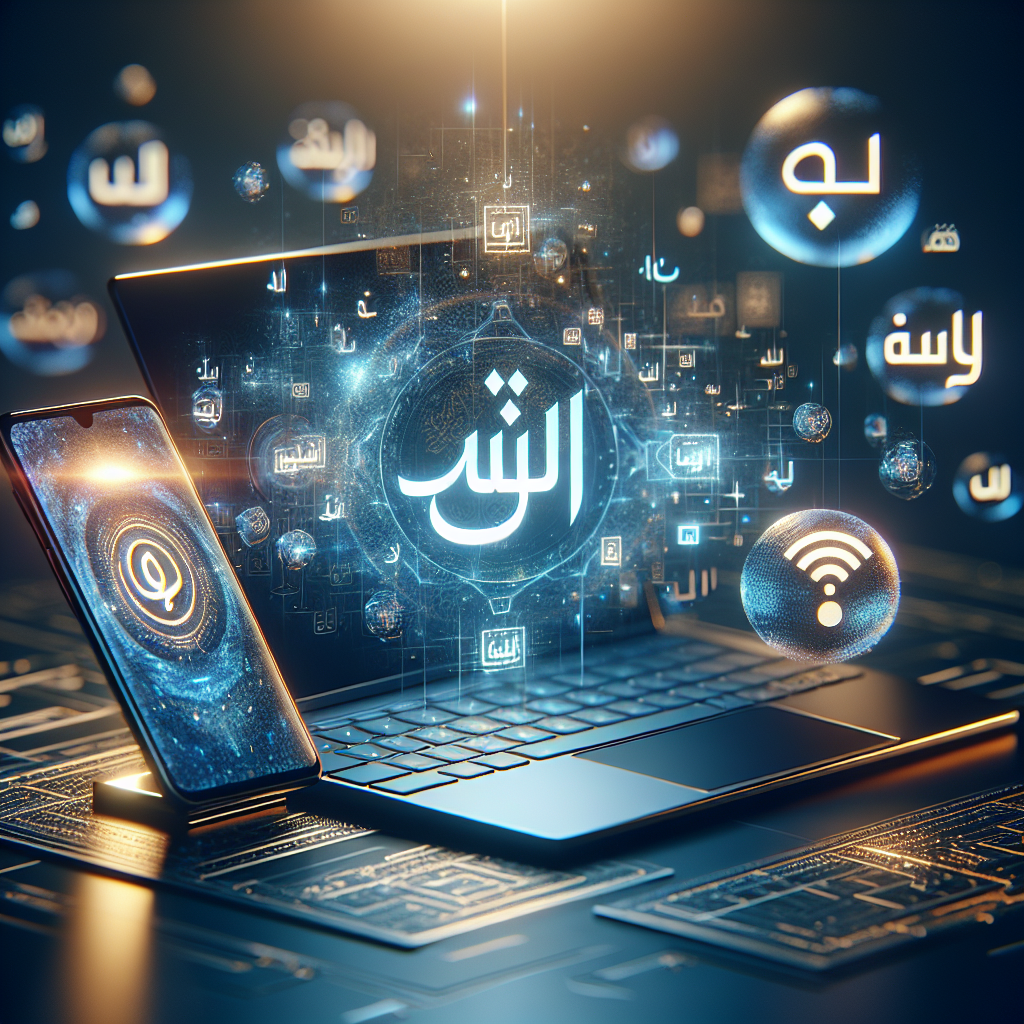
Introduction to the Arabic Alphabet
The Arabic alphabet is used by over 420 million people across the globe, making it one of the most widely used writing systems. Consisting of 28 letters, Arabic is written from right to left, a feature that distinguishes it from many other scripts. This beautiful and intricate script isn’t just a means of communication; it’s an art form, deeply embedded in the culture and history of the Arab world.
The Role of Arabic in Modern Technology
In today’s interconnected world, the Arabic language has found a new home in digital technology. From social media platforms like Facebook and Twitter to search engines like Google, Arabic is now part of the global conversation. Companies are increasingly recognizing the importance of providing Arabic language support to reach wider audiences.
Challenges Facing Arabic Script in Tech
Despite its growing presence, the Arabic script faces several challenges in the tech sphere:
1. Text Rendering Issues: Arabic script requires proper ligature and shaping, which can be difficult for software that isn’t designed with these features in mind.
2. Text Input Difficulties: Typing in Arabic can be cumbersome due to the different character forms based on their position in a word.
3. Limited Voice Recognition: While English voice recognition technology is highly advanced, Arabic still lags behind, though improvements are steadily being made.
Innovations and Solutions 🌟
Innovators are rising to the challenge of integrating Arabic into technology seamlessly:
1. Enhanced Software Development: Companies are investing in software that better supports the unique nuances of Arabic script, leading to smoother user experiences.
2. Improved Arabic Keyboards: New keyboard layouts and predictive text options are making it easier for Arabic speakers to type efficiently.
3. Advanced AI and Machine Learning: AI is being used to develop more sophisticated Arabic voice recognition systems, bridging the gap between English and Arabic tech capabilities.
The Future of Arabic in the Digital World
As technology continues to evolve, the integration of the Arabic language is set to deepen. With more resources being allocated to better support Arabic, we can expect to see further enhancements in digital communication tools, making the script more accessible and user-friendly. The future looks promising, with Arabic poised to become an integral part of the global digital landscape.
Conclusion
From its rich historical roots to its growing digital presence, the Arabic alphabet is a crucial component of modern technology. While challenges remain, ongoing innovations signal a bright future for Arabic users worldwide. Embracing these changes will not only enhance communication but also celebrate the diversity of global languages in the digital age.
FAQs
1. How does the Arabic script differ from English in digital use?
The Arabic script is written from right to left and requires specific character shaping, which differs from the left-to-right English script.
2. Are there any tools that make typing in Arabic easier?
Yes, there are several keyboard apps and software with predictive text and customized layouts that simplify typing in Arabic.
3. What advancements are being made in Arabic voice recognition technology?
AI and machine learning are being leveraged to improve Arabic voice recognition, making it more accurate and user-friendly.
4. Will Arabic become more prevalent in global tech?
As technology continues to advance and the demand for Arabic support grows, it’s likely that Arabic will become increasingly prevalent in global tech.
5. Why is it important to integrate Arabic into modern technology?
Integrating Arabic into modern technology is crucial for inclusivity, ensuring that Arabic-speaking communities can fully participate in the digital world.