The Arabic Alphabet in the Context of International Peace Efforts
In a world that grows more interconnected every day, the role of language as a bridge between cultures is more critical than ever. The Arabic alphabet, with its rich history and cultural significance, plays a unique role in fostering international peace efforts. But how does a script contribute to global harmony? Let’s delve into the fascinating intersection of language and peace.
Table of Contents
1. Understanding the Arabic Alphabet
2. Arabic Alphabet as a Cultural Connector
3. The Role of Language in Peace Building
4. Learning Arabic: A Step Towards Unity
5. Conclusion
6. FAQs
Understanding the Arabic Alphabet
The Arabic alphabet is not just a set of 28 letters. It’s a gateway to a world of art, culture, and history. The script is used not only in the Middle East but also across North Africa and parts of Asia, making it a crucial element in the lives of millions. As we explore its role in peace efforts, understanding its roots and complexity can help us appreciate its global significance.
Arabic Alphabet as a Cultural Connector 🌍
Language is a powerful tool for connection. The Arabic script is no exception. By providing a shared means of communication, it helps bridge cultural gaps and fosters mutual understanding. Many international peace efforts rely on this power of language to bring people together, facilitating dialogue and cooperation.
The Role of Language in Peace Building 🕊️
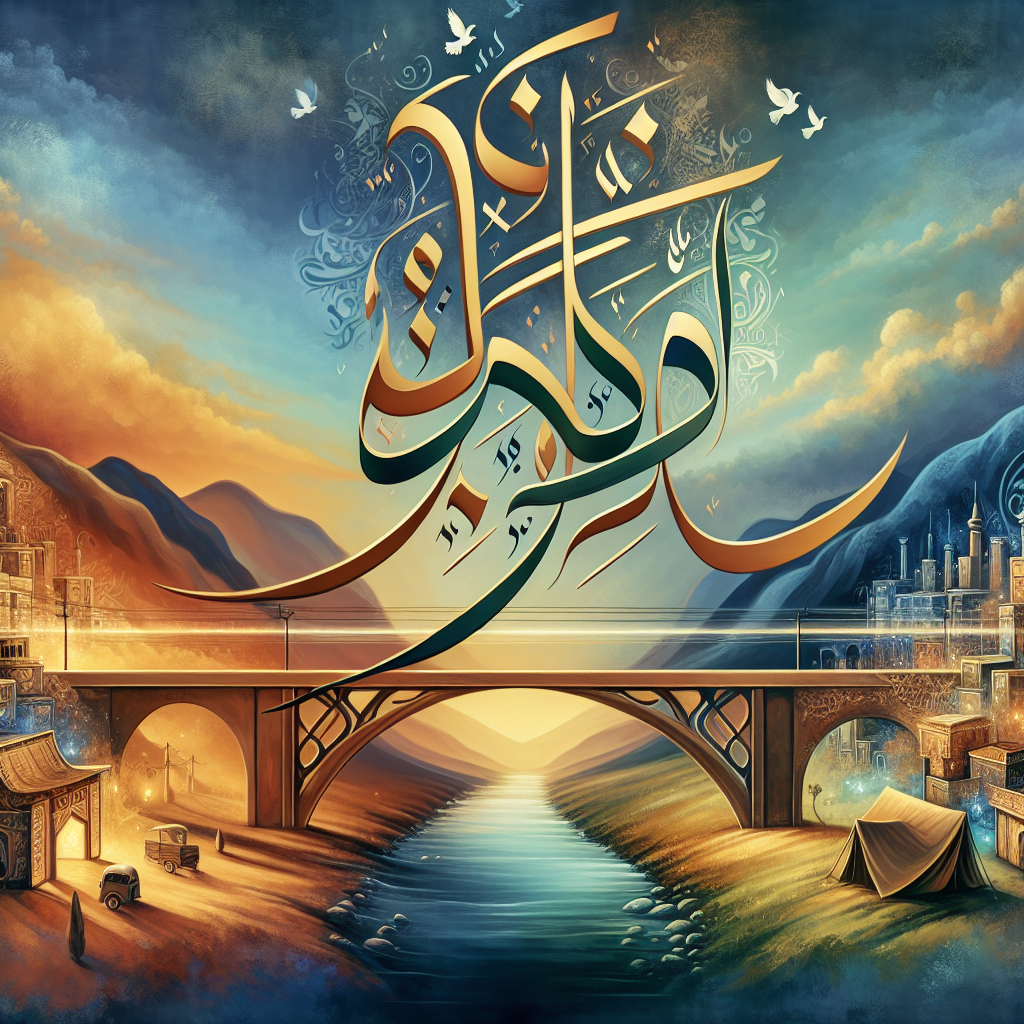
Language is more than just words; it’s an expression of identity and culture. In peacebuilding, language is used to resolve conflicts and promote understanding. The Arabic alphabet, with its profound cultural resonance, plays a pivotal role in these efforts. By learning and using Arabic, peacebuilders can engage more effectively with communities, promoting trust and collaboration.
Learning Arabic: A Step Towards Unity 🤝
Embracing the Arabic language and its alphabet can be a significant step toward global unity. For those involved in international relations, humanitarian work, or cultural exchanges, learning Arabic can open doors to deeper connections and more meaningful interactions. It’s a journey that not only enriches the individual but also contributes to a more harmonious world.
Conclusion
The Arabic alphabet is more than a linguistic tool—it’s a symbol of unity and peace. By understanding and embracing this script, we can foster greater international cooperation and understanding. In a world where communication is key to resolving conflicts, the Arabic alphabet stands as a beacon of hope and connection.
FAQs
Q: Why is the Arabic alphabet important in international peace efforts?
A: The Arabic alphabet facilitates communication and cultural exchange, which are essential for understanding and cooperation in peace efforts.
Q: How can learning Arabic help in peacebuilding?
A: Learning Arabic allows individuals to engage directly with Arabic-speaking communities, fostering trust and effective communication.
Q: What are some resources for learning the Arabic alphabet?
A: There are numerous online courses, apps, and books dedicated to learning Arabic, such as Duolingo, Rosetta Stone, and „Alif Baa: Introduction to Arabic Letters and Sounds.“