The Arabic Alphabet in Religious Texts: Interpretation and Translation
Welcome to our exploration of the fascinating world of the Arabic alphabet and its significant role in religious texts. Whether you’re a linguist, a religious scholar, or just curious about language, this journey through interpretation and translation will provide insights and spark your curiosity. Let’s dive in! 🌟
Table of Contents
1. Understanding the Arabic Alphabet
2. The Role of the Arabic Alphabet in Religious Texts
3. Challenges in Translation and Interpretation
4. The Beauty of the Arabic Script in Religious Art
5. Conclusion
6. FAQs
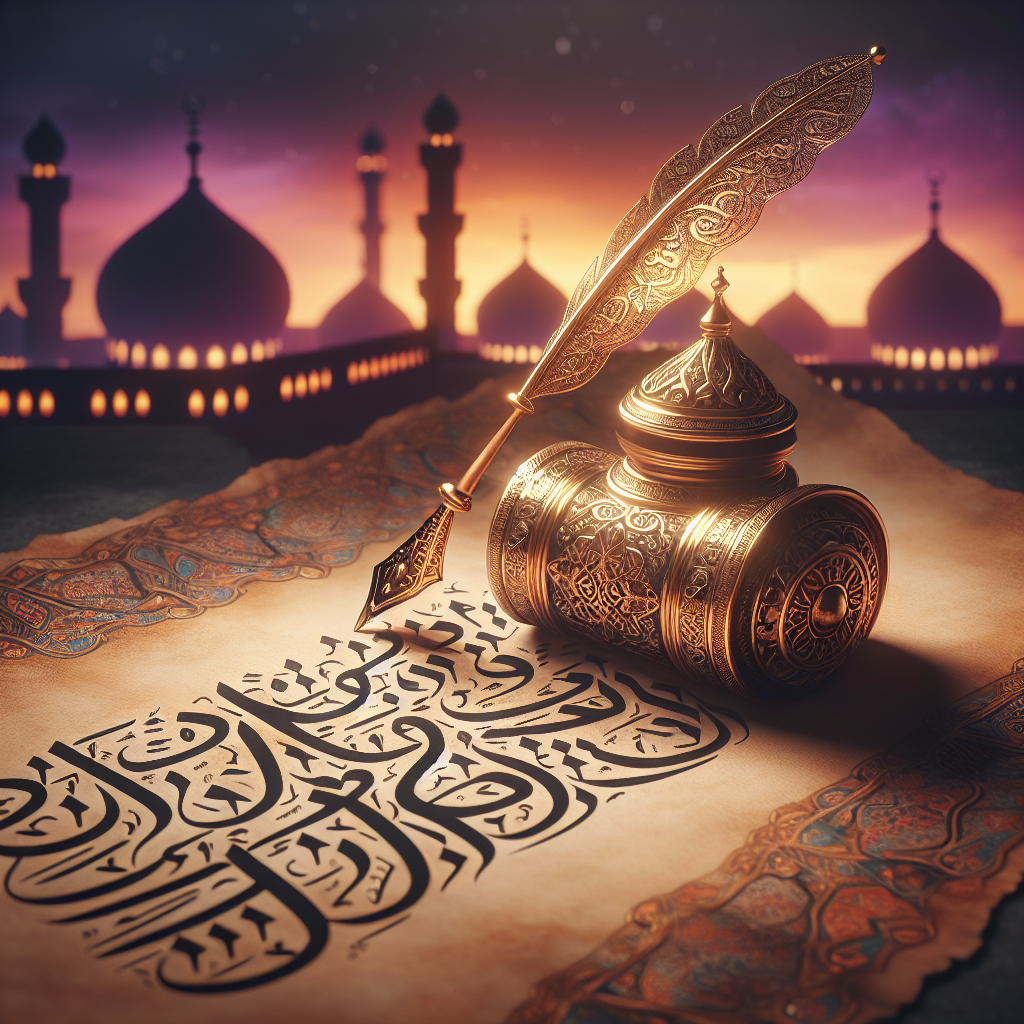
Understanding the Arabic Alphabet
The Arabic alphabet consists of 28 letters and is written from right to left. It’s not just a script; it’s a gateway to understanding a rich cultural and religious heritage. Each letter has its unique sound and shape, which can vary depending on its position in a word. Sounds complex? Don’t worry, it’s a beautiful complexity! 😊
The Role of the Arabic Alphabet in Religious Texts
The Arabic script holds a revered place in religious texts, particularly in Islam. The Quran, the holy book of Islam, is written in classical Arabic. This script is not just a means of communication but also a vessel of divine message. The precise depiction of each letter is crucial for preserving the Quran’s meaning and sacredness. 📜

Challenges in Translation and Interpretation
Translating religious texts from Arabic is no small feat. Here are some challenges faced by translators:
Linguistic Nuances: The Arabic language is rich in synonyms and metaphors, making it challenging to find equivalent expressions in other languages.
Preserving Meaning: It’s critical to maintain the text’s original meaning and context, which requires deep cultural and theological understanding.
Calligraphic Interpretation: Arabic calligraphy adds a layer of artistic interpretation, merging art with language, which can sometimes alter the perceived meaning.
The Beauty of the Arabic Script in Religious Art
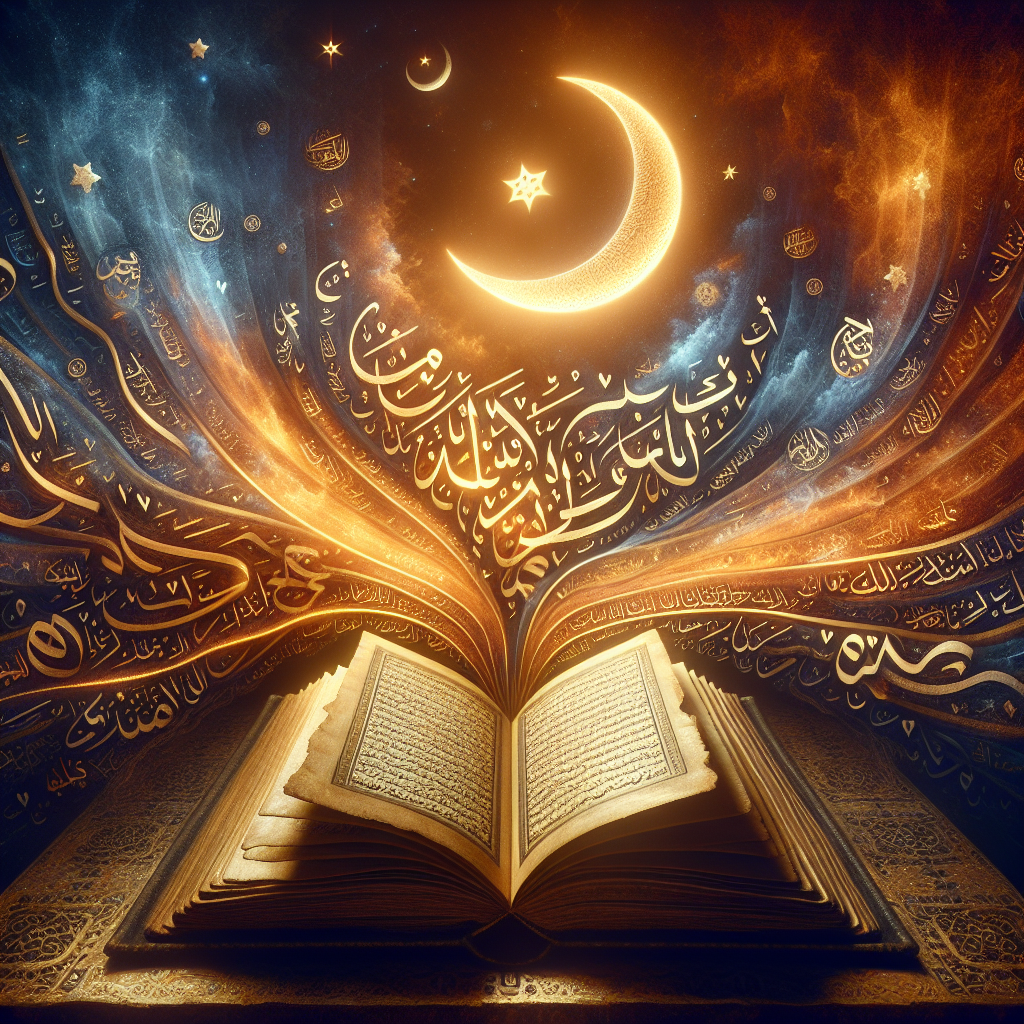
Arabic calligraphy is not just about writing; it’s an art form. In religious texts, calligraphy transforms words into visual art, enhancing spiritual reflection. Many mosques and religious sites feature stunning Arabic calligraphy, merging divine messages with artistic beauty. 🕌🎨
Conclusion
The Arabic alphabet is more than just letters on a page; it’s a bridge to understanding and experiencing religious texts. Whether you’re reading the Quran or admiring calligraphy, the Arabic script offers a profound connection to spiritual and cultural worlds. So next time you see an Arabic script, take a moment to appreciate its depth and beauty! 🌍✨
FAQs
Q1: Why is the Arabic alphabet important in religious texts?
The Arabic alphabet is essential because it’s the script of the Quran, preserving the holy text’s divine message and meaning.
Q2: What makes translating Arabic religious texts challenging?
Translating Arabic religious texts involves capturing linguistic nuances, preserving original meanings, and understanding cultural contexts.
Q3: How does Arabic calligraphy enhance religious texts?
Arabic calligraphy transforms texts into visual art, enriching spiritual reflection and merging divine messages with artistic expression.
Q4: Is learning the Arabic alphabet difficult?
While it may seem challenging at first, with practice and patience, learning the Arabic alphabet can be a rewarding experience.
Q5: Can I appreciate Arabic texts without knowing the language?
Absolutely! You can appreciate the artistic beauty and cultural significance even if you don’t speak the language.