The Arabic Alphabet and Its Significance in the Arab Renaissance
The Arabic alphabet is more than just a collection of letters; it’s the backbone of a rich cultural and intellectual legacy. In the Arab Renaissance, also known as the Nahda, this beautiful script played a crucial role in transforming societies. Join me as we explore the fascinating world of the Arabic alphabet and its profound impact on this remarkable period of history. 🌟
Table of Contents
1. Introduction to the Arabic Alphabet
2. The Role of the Arabic Alphabet in the Arab Renaissance
3. Cultural and Intellectual Revival
4. Modern Significance and Legacy
5. Conclusion
6. FAQs
Introduction to the Arabic Alphabet
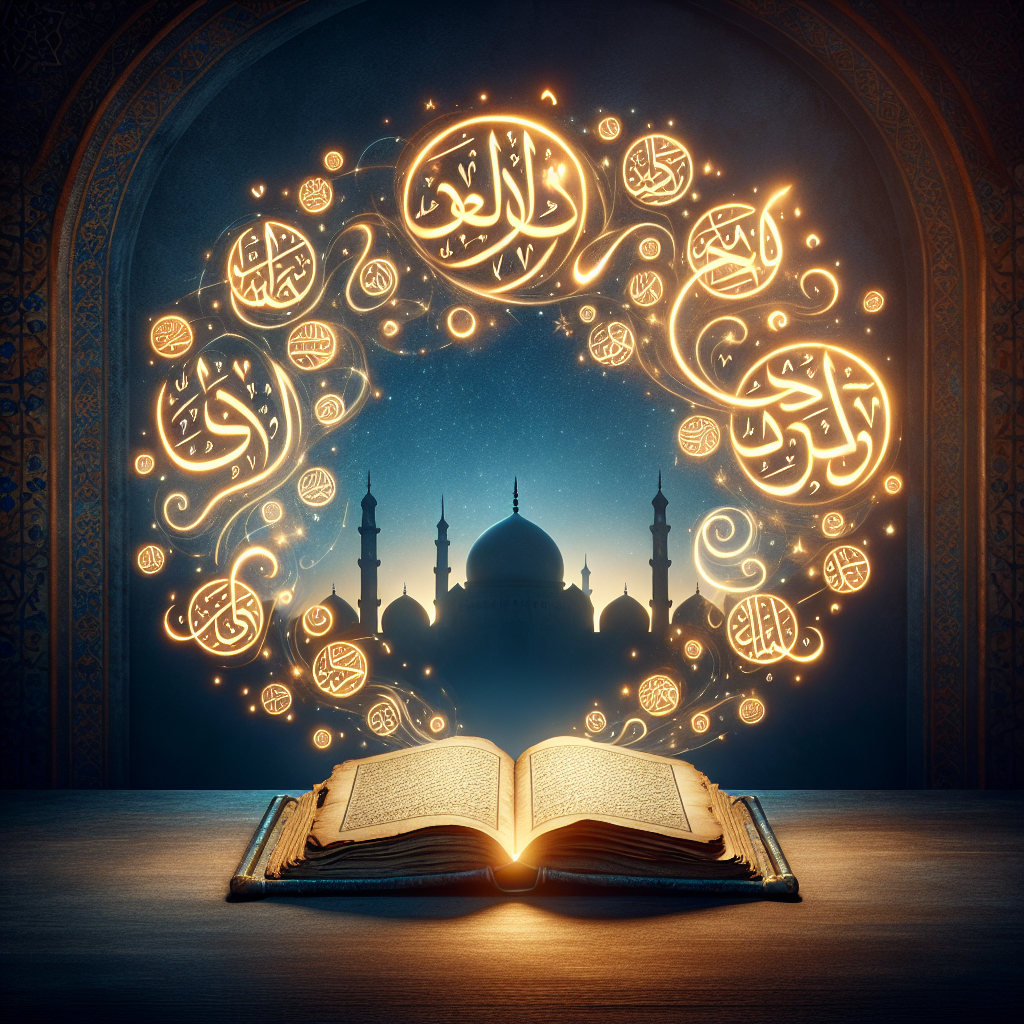
The Arabic alphabet is a work of art in itself, consisting of 28 letters written from right to left. It’s not just a means of communication but a symbol of identity and pride for millions. This script has been the vessel for countless poems, scientific discoveries, and philosophical debates throughout history. 📜
The Role of the Arabic Alphabet in the Arab Renaissance
The Arab Renaissance, which spanned the 19th and early 20th centuries, was a period marked by cultural, intellectual, and political awakening in the Arab world. The Arabic alphabet was central to this movement, serving as a bridge between the past and the future, connecting scholars and thinkers with the rich heritage of the Islamic Golden Age. 📚
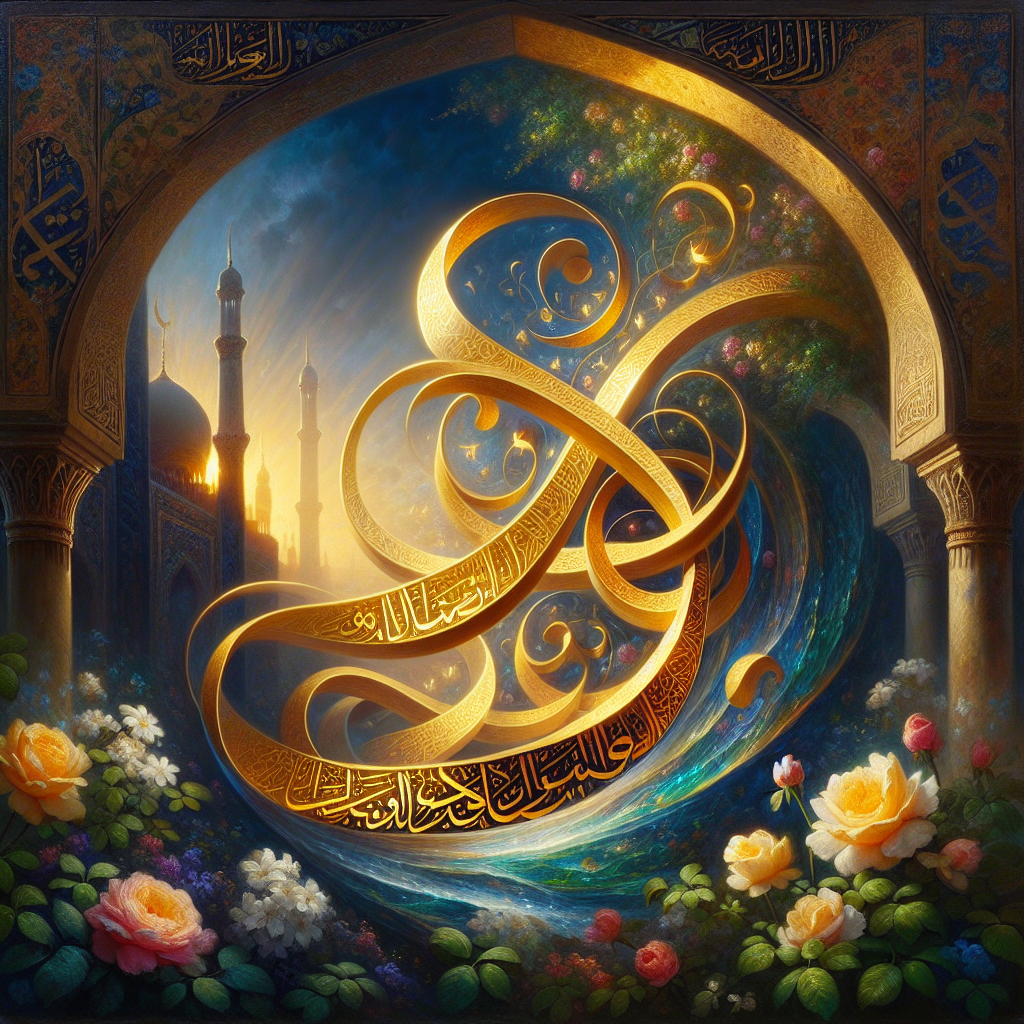
During the Nahda, there was a concerted effort to revive classical Arabic literature and philosophy. Scholars translated European works into Arabic, making Western ideas accessible to the Arab world. This exchange of knowledge was fundamental to the Renaissance and was made possible by the Arabic script. 🌐
Cultural and Intellectual Revival
The Arabic alphabet was instrumental in sparking a cultural and intellectual revival. Newspapers, journals, and books proliferated, spreading new ideas and encouraging public debate. The script’s fluidity and elegance allowed for creative expression, inspiring poets and writers to produce works that are celebrated to this day. 🖋️
This period saw the rise of influential figures like Jurji Zaydan and Ahmad Faris al-Shidyaq, who used the power of the written word to challenge societal norms and advocate for reform. Their works, written in the Arabic script, were crucial in shaping modern Arab thought. ✨
Modern Significance and Legacy
Today, the Arabic alphabet continues to hold significant cultural and educational importance. It remains a symbol of unity among Arabic-speaking nations and a vital component of identity. As digital communication grows, the Arabic script adapts, finding its place in the digital world with ease. 💻
The legacy of the Arab Renaissance lives on through the enduring relevance of the Arabic alphabet. It serves as a reminder of the power of language to inspire change and foster understanding across cultures. 🌍
Conclusion
The Arabic alphabet is more than a writing system; it’s a testament to the resilience and dynamism of the Arab world. Its role in the Arab Renaissance highlights the power of language as a tool for cultural and intellectual renewal. As we continue to celebrate and preserve this beautiful script, we honor the legacy of those who used it to shape history. 🌺
FAQs
Q1: What is the Arabic alphabet?
A1: The Arabic alphabet is a script consisting of 28 letters, written from right to left, and is used in Arabic-speaking countries for communication and literary expression.
Q2: Why was the Arabic alphabet important during the Arab Renaissance?
A2: The Arabic alphabet was crucial during the Arab Renaissance as it facilitated the revival of classical literature, the translation of European works, and the dissemination of new ideas, contributing to cultural and intellectual growth.
Q3: How does the Arabic alphabet influence modern Arabic culture?
A3: The Arabic alphabet continues to be a symbol of cultural identity and unity, playing a significant role in education, literature, and digital communication in the modern Arab world.
Q4: Can the Arabic script be used in digital communication?
A4: Yes, the Arabic script has successfully adapted to digital platforms, allowing for seamless communication and content creation online.
Q5: Who were some key figures during the Arab Renaissance?
A5: Influential figures like Jurji Zaydan and Ahmad Faris al-Shidyaq played pivotal roles in the Arab Renaissance, using the Arabic script to challenge norms and advocate for reform.