The Arabic Alphabet and Its Influence on Global Media Narratives
Welcome to our deep dive into the fascinating world of the Arabic alphabet and its powerful role in shaping global media narratives. Whether you’re a language enthusiast or just curious about how languages influence the world, this post is for you! 🌍📚
Table of Contents
1. Introduction to the Arabic Alphabet
2. Historical Significance of the Arabic Script
3. Arabic Script in Modern Media
4. The Cultural Impact of Arabic on Global Narratives
5. Conclusion
6. FAQs
Introduction to the Arabic Alphabet
The Arabic alphabet is more than just a collection of letters; it’s a gateway to a rich cultural heritage that spans continents. Comprising 28 letters, the Arabic script is used by over 420 million people across the globe. While primarily associated with the Arabic language, this script is also utilized by other languages such as Persian, Urdu, and Kurdish. Its elegant curves and dots are not only visually captivating but also deeply influential in various aspects of life, including global media.
Historical Significance of the Arabic Script
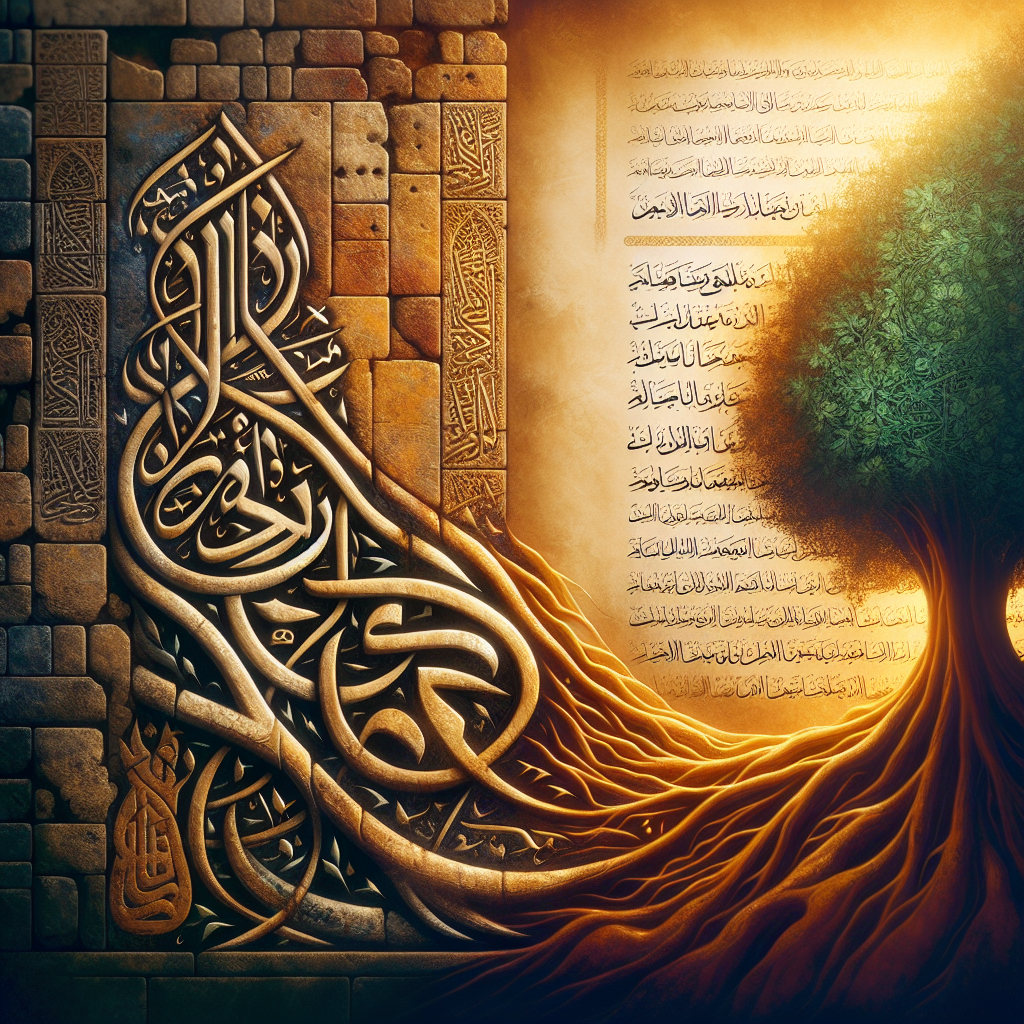
Diving into the history, the Arabic alphabet has its roots in the Nabataean script, evolving over centuries to become the script we recognize today. Historically, it played an essential role in the spread of Islam, as the Quran, the holy book of Islam, was revealed in Arabic. This historical backdrop has ensured that the Arabic script remains a cornerstone in both religious and secular texts worldwide.
Arabic Script in Modern Media 📺
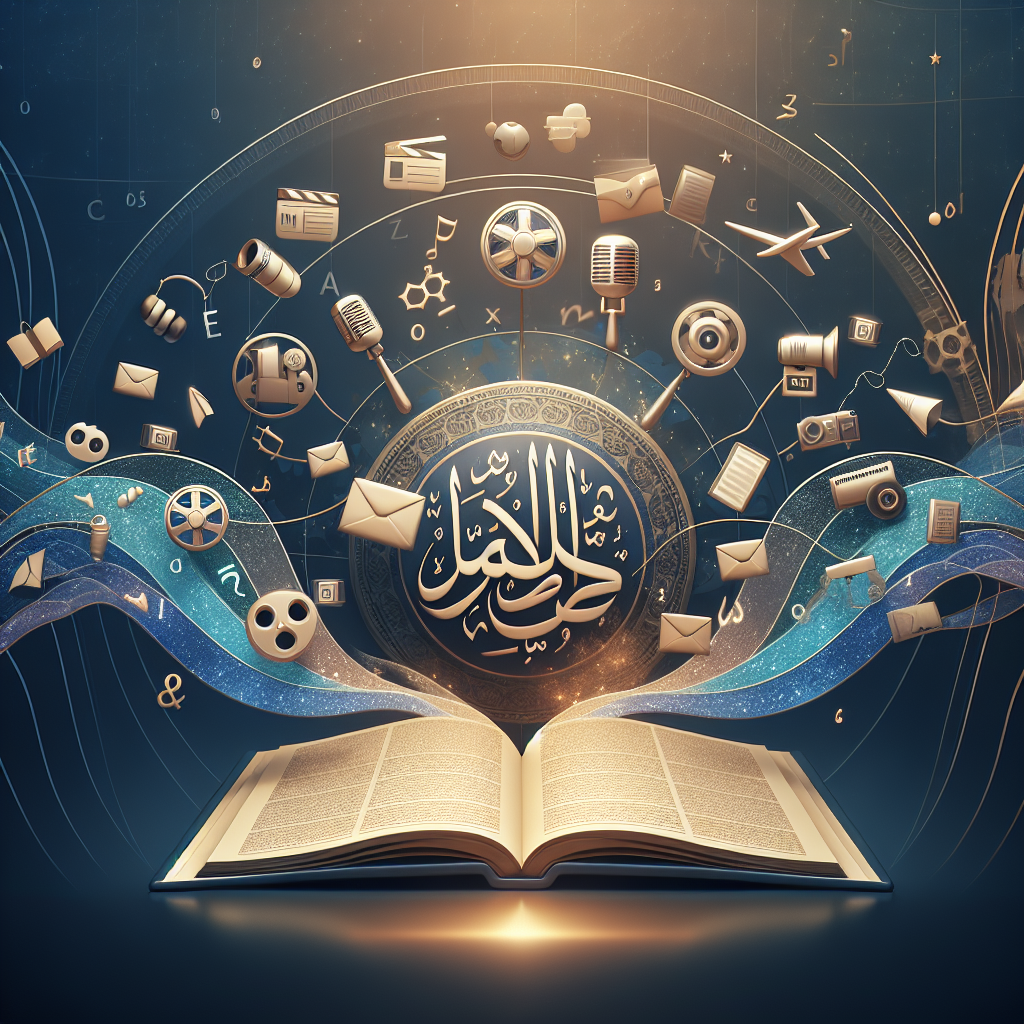
Fast forward to the present, and you’ll find the Arabic alphabet exerting its influence across various media platforms. From news channels to social media, Arabic is not just a language but a tool that shapes narratives and perspectives. Major news networks like Al Jazeera broadcast in Arabic, offering a unique lens through which global events are interpreted and conveyed. This presence ensures that Arabic-speaking audiences receive news tailored to their cultural contexts, while also influencing non-Arabic speaking audiences by providing diverse viewpoints.
The Cultural Impact of Arabic on Global Narratives 🌐
The cultural ripple effect of the Arabic script is profound. Arabic calligraphy, for instance, is a celebrated art form that transcends language barriers, influencing design and architecture worldwide. Moreover, Arabic literature and poetry, with their rich imagery and themes, have inspired countless writers and artists globally, contributing to a shared human experience.
Conclusion
In conclusion, the Arabic alphabet is much more than a means of communication. It is a cultural beacon that continues to shape and influence global media narratives. From its historical origins to its modern-day applications, the Arabic script connects millions of people, fostering a greater understanding and appreciation of diverse cultures. As we continue to navigate an increasingly interconnected world, recognizing the role of languages like Arabic in shaping our media and narratives becomes ever more critical.
FAQs
1. Why is the Arabic alphabet important in global media?
The Arabic alphabet is crucial in global media because it enables the dissemination of information to a vast audience, offering diverse cultural perspectives and narratives.
2. How does the Arabic script influence non-Arabic speaking audiences?
Through media platforms like Al Jazeera and cultural exports such as literature and art, the Arabic script provides a unique perspective and inspires global appreciation and understanding.
3. What are some languages that use the Arabic alphabet?
Besides Arabic, languages such as Persian, Urdu, and Kurdish use the Arabic script, reflecting its widespread influence.
4. How has Arabic calligraphy impacted global design?
Arabic calligraphy, with its intricate and aesthetically pleasing design, has influenced global art, architecture, and even modern graphic design, showcasing the script’s versatility.