How to Use the Arabic Alphabet in Traditional and Modern Art
The Arabic alphabet is a beautiful script that has captivated artists for centuries. Whether you’re an art enthusiast, a budding artist, or just curious about incorporating this elegant script into your work, you’re in the right place! Let’s explore how the Arabic alphabet can be used in both traditional and modern art forms. 🎨
Table of Contents
1. Introduction to the Arabic Alphabet
2. Traditional Use of the Arabic Alphabet in Art
3. Modern Applications of the Arabic Script
4. Tips for Incorporating the Arabic Alphabet in Your Art
5. Conclusion
6. FAQs
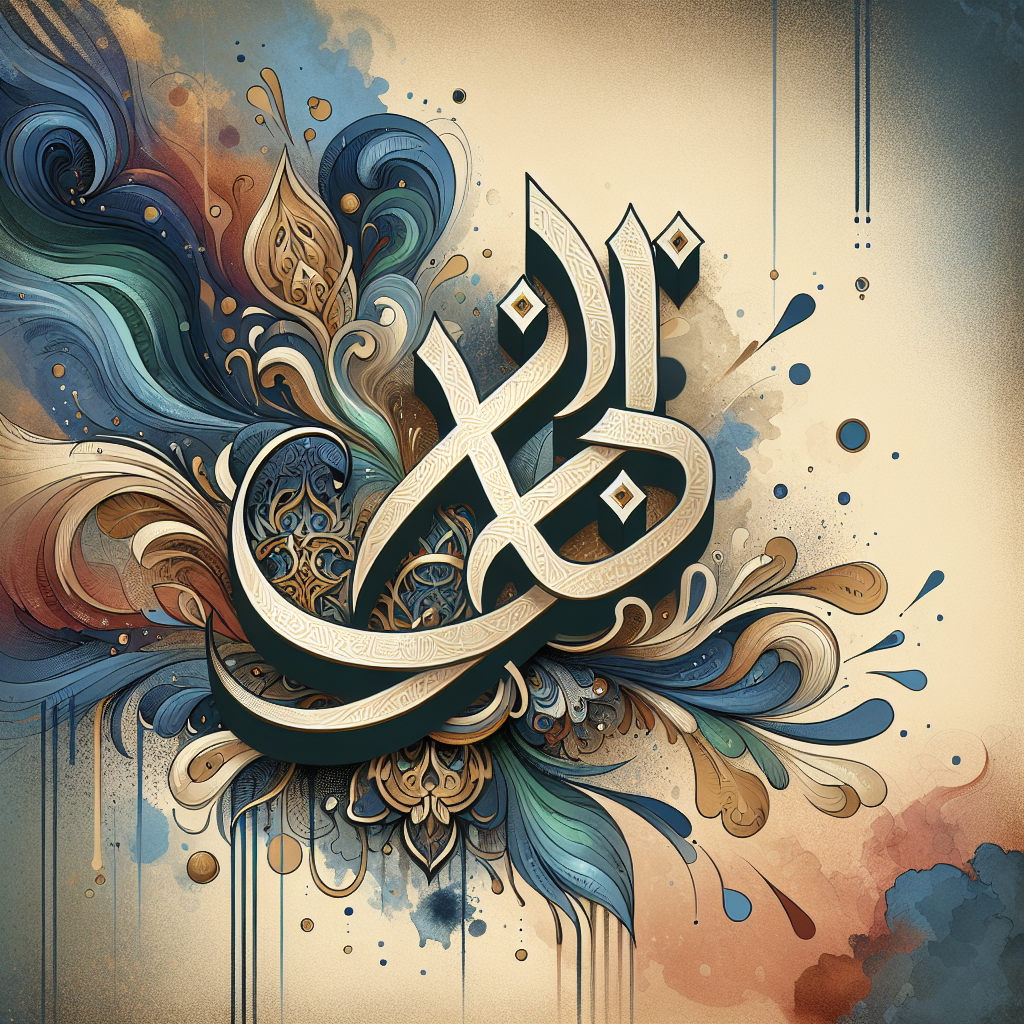
Introduction to the Arabic Alphabet
Before diving into its artistic uses, it’s essential to understand the basics of the Arabic alphabet. Comprising 28 letters, it is written from right to left and is used in various languages, including Arabic, Persian, and Urdu. Its calligraphic potential makes it a popular choice for artists around the world.
Traditional Use of the Arabic Alphabet in Art
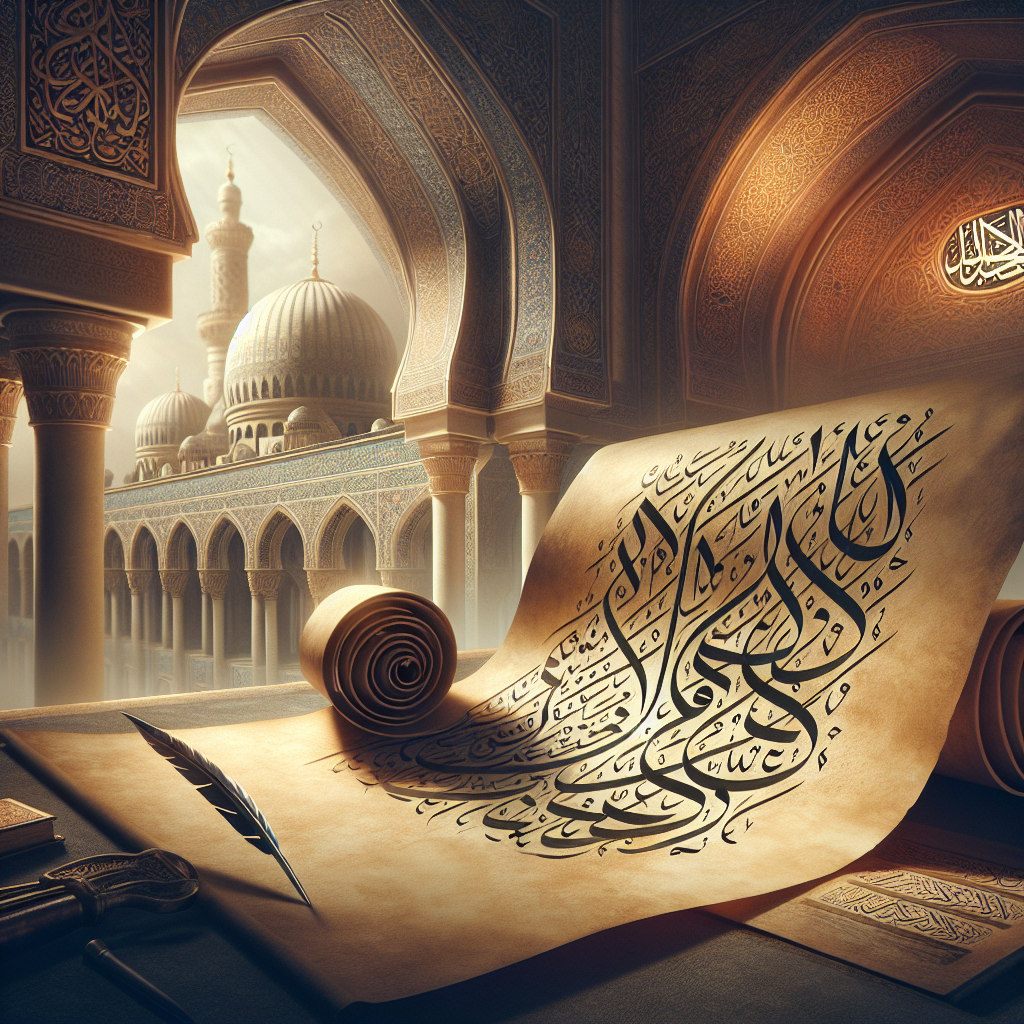
Historically, the Arabic script was not just a means of communication but a form of art known as Arabic calligraphy. This practice dates back centuries and was often used in religious texts, architecture, and manuscripts. The elegance of the script allowed artists to create intricate designs that were both meaningful and visually appealing.
Modern Applications of the Arabic Script
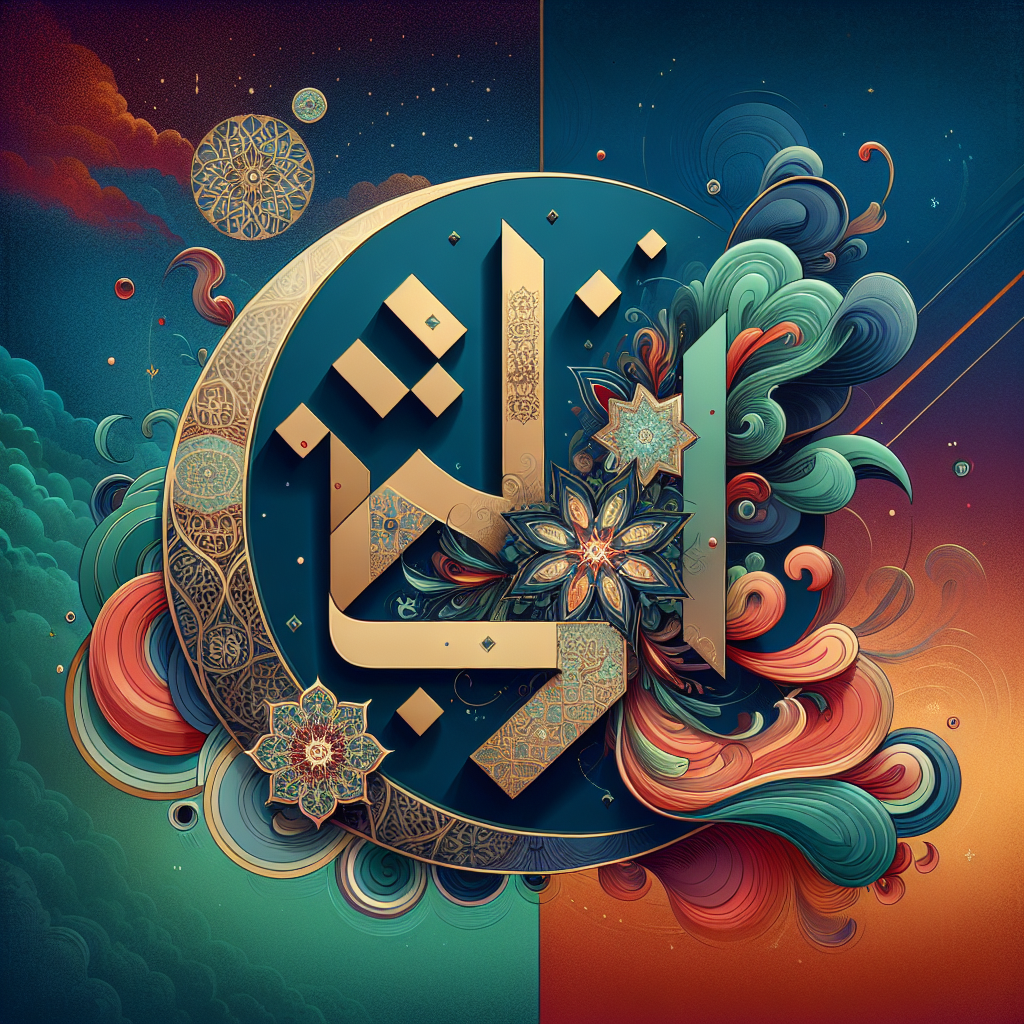
In contemporary art, the Arabic alphabet continues to inspire artists globally. From graffiti in the bustling streets of Cairo to digital art installations in New York, the script’s versatility and beauty have found new expressions. Modern artists often blend traditional calligraphy with new mediums, creating a fusion that resonates with today’s audiences.
Tips for Incorporating the Arabic Alphabet in Your Art
Ready to start incorporating the Arabic alphabet into your artwork? Here are some tips to get you started:
1. Learn the Basics: Familiarize yourself with the script and its basic forms. Understanding the flow and structure of the letters is crucial.
2. Experiment with Styles: From Kufic to Naskh, explore different calligraphic styles to find one that resonates with you.
3. Blend Traditional with Modern: Don’t be afraid to mix the old with the new. Use traditional scripts in modern contexts for a unique twist.
4. Use Technology: Digital tools can help you experiment with colors, shapes, and compositions, bringing your Arabic script art to life.
Conclusion
Whether you’re drawn to the historical significance of Arabic calligraphy or its modern adaptations, the Arabic alphabet offers endless possibilities for artistic expression. By understanding its roots and experimenting with new styles, you can create art that is both beautiful and meaningful. So grab your pens, paints, or tablets, and start creating! 🌟
FAQs
Q: Can I use the Arabic alphabet if I don’t speak Arabic?
A: Absolutely! Many artists use the script for its aesthetic value without knowing the language. Just ensure you understand the meanings if you’re using specific words or phrases.
Q: What materials are best for Arabic calligraphy?
A: Traditional materials include reed pens and ink, but modern artists use everything from brushes to digital tools.
Q: Is it culturally appropriate to use Arabic script in art?
A: Yes, as long as it’s done respectfully and with understanding of its cultural significance. It’s always a good idea to research and approach with sensitivity.
Q: Where can I learn more about Arabic calligraphy?
A: Many online courses and books offer insights into the art of Arabic calligraphy. Additionally, attending workshops can provide hands-on experience.
Q: Are there any famous modern artists using Arabic script?
A: Yes, artists like eL Seed and Lalla Essaydi have gained international recognition for their innovative use of the Arabic script in modern art.