How to Use the Arabic Alphabet in Artistic Performances
Welcome to a fascinating exploration of the Arabic alphabet and its vibrant role in artistic performances! Whether you’re an artist, performer, or simply a curious soul, this journey will illuminate how these beautiful scripts can enhance creativity and expression. Let’s dive in! 🌟
Table of Contents
1. Introduction to the Arabic Alphabet in Art
2. Incorporating Arabic Calligraphy in Dance
3. Enhancing Theater Performances with Arabic Scripts
4. Using Arabic Letters in Music and Song
5. Conclusion: The Artistic Symphony of Arabic Letters
6. FAQs
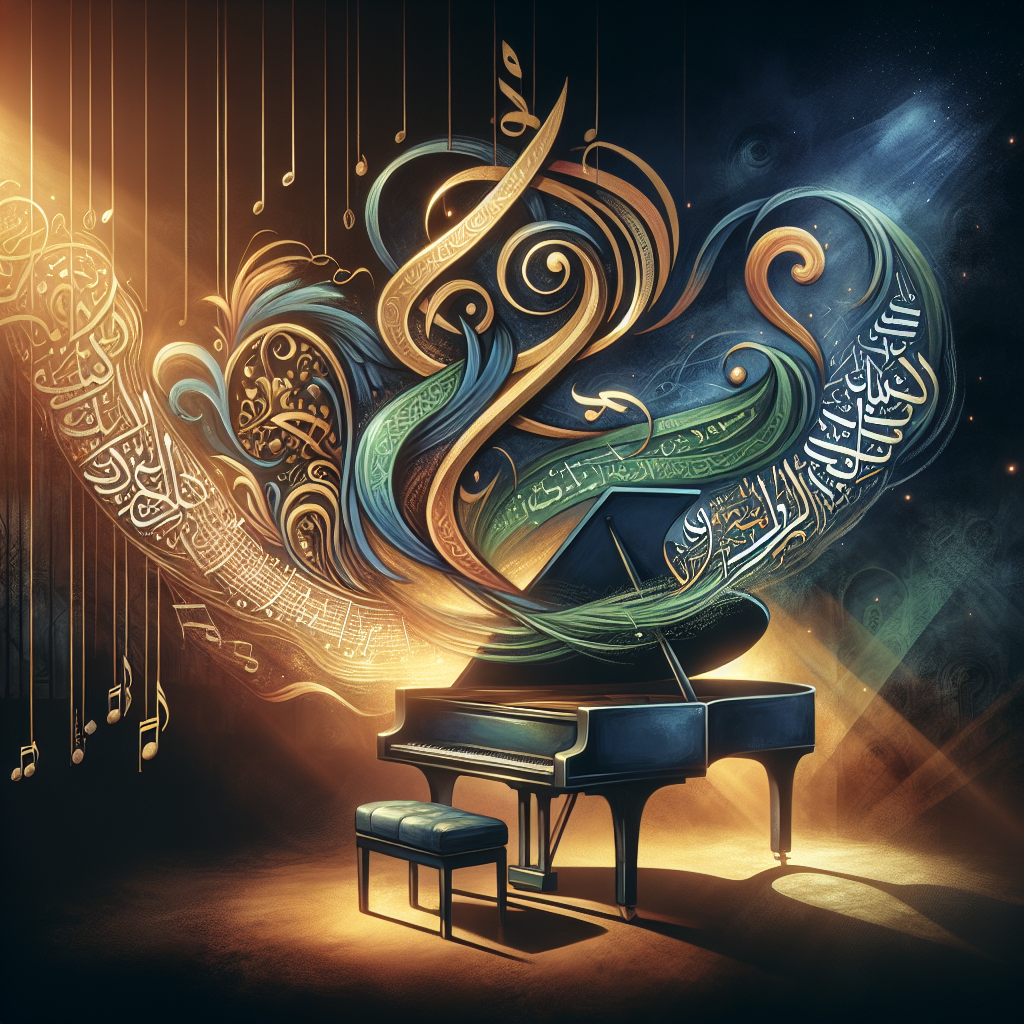
Introduction to the Arabic Alphabet in Art
The Arabic alphabet, with its flowing lines and intricate curves, has captivated artists for centuries. This script is not merely a means of communication; it’s a versatile tool for artistic expression. By integrating the Arabic alphabet into performances, artists can add layers of cultural depth and visual intrigue.
Incorporating Arabic Calligraphy in Dance 💃
Dance is a language of movement, and when paired with the visual allure of Arabic calligraphy, it becomes a mesmerizing dialogue. Dancers can use the shapes and forms of Arabic letters to inspire choreography, creating movements that echo the script’s fluidity. This blend not only enhances the aesthetic appeal but also tells a story steeped in tradition and emotion.
Enhancing Theater Performances with Arabic Scripts 🎭
Theater is all about storytelling, and Arabic scripts can play a pivotal role in setting the scene or conveying a message. Consider using backdrops featuring large Arabic letters or projections of calligraphic art to create an immersive atmosphere. This not only adds a visual element but also invites the audience into a world where language and art intertwine.
Using Arabic Letters in Music and Song 🎶
Music and the Arabic alphabet go hand in hand, especially in lyrical compositions. Songwriters and composers can draw inspiration from the poetic nature of the script. Whether it’s using the alphabet as a thematic element in lyrics or incorporating calligraphic art in album covers and stage designs, the possibilities are endless. The rhythm of the language can even influence musical composition, adding a unique flair to performances.
Conclusion: The Artistic Symphony of Arabic Letters
Integrating the Arabic alphabet into artistic performances opens up a world of creativity and cultural richness. Whether through dance, theater, or music, these scripts offer a unique way to connect with audiences and tell stories that transcend language barriers. So, why not try incorporating this beautiful alphabet into your next artistic endeavor? You might just find a new avenue for expression that resonates deeply with your audience.
FAQs
1. How can beginners start learning Arabic calligraphy for art?
Start with online tutorials or local workshops. Practice regularly to get familiar with the strokes and forms of the letters.
2. Can I use Arabic scripts in performances even if I’m not a native speaker?
Absolutely! Art is universal. Just ensure you understand the cultural significance and meanings behind the scripts you use.
3. Where can I find resources for Arabic script-inspired art?
Look for online art communities, cultural centers, and libraries that focus on Middle Eastern art and calligraphy.
4. What should I consider when integrating Arabic scripts into a performance?
Be mindful of cultural sensitivities and ensure that the script is used respectfully and accurately.
Embrace the beauty of the Arabic alphabet in your performances, and watch your art come alive with new meanings and connections! 🌍✨