How the Arabic Alphabet is Used in Daily Arabic Communication
The Arabic alphabet is more than just a collection of letters; it’s a vital part of daily communication for millions around the world. Whether you’re an avid language learner or just curious about global cultures, understanding how this script functions in everyday life can be incredibly enriching. Let’s dive into the fascinating world of the Arabic alphabet and discover its role in daily Arabic communication. 📚🇦🇪
Table of Contents
1. Introduction to the Arabic Alphabet
2. The Structure of the Arabic Alphabet
3. Arabic in Everyday Conversations
4. The Role of Digital Communication
5. Conclusion
6. FAQs
Introduction to the Arabic Alphabet
The Arabic alphabet, with its elegant and flowing script, is used by over 420 million people worldwide. It is the script for Arabic, a language known for its deep cultural and historical significance. Understanding its use is not just about learning a language; it’s about connecting with a rich tapestry of traditions and everyday communications.
The Structure of the Arabic Alphabet
The Arabic script consists of 28 letters, written from right to left. Unlike the Latin alphabet, these letters change form based on their position in a word—initial, medial, final, or isolated. This dynamic nature adds a rhythmic beauty to written Arabic. 🌟
Each letter in the Arabic alphabet is a symbol of sound and character, providing a unique challenge and joy for learners. The script is not just functional but artistic, with calligraphy being a highly respected art form.
Arabic in Everyday Conversations
In daily life, the Arabic alphabet is an essential tool for communication. Whether it’s a friendly greeting, a complex discussion, or a simple transaction, the alphabet forms the backbone of verbal and written exchanges. Here are a few ways it’s used:
1. Greetings and Basic Phrases: Arabic is rich with expressions that are beautifully woven into everyday interactions. Phrases like „Salam“ (Peace) or „Shukran“ (Thank you) are common. 🗣️
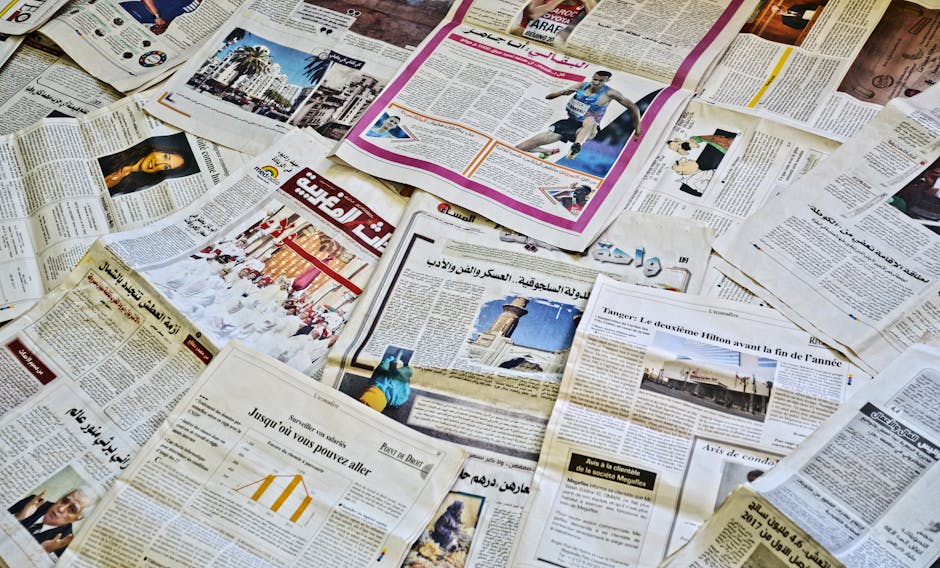
2. Media and News: Newspapers, television broadcasts, and online news platforms extensively use the Arabic script to disseminate information across the Arab world.
3. Cultural Expressions: Poetry, literature, and music often utilize the Arabic alphabet to convey deeper meanings and emotions.
The Role of Digital Communication
In today’s digital age, the Arabic alphabet plays a vital role in online communication. Social media platforms, messaging apps, and email services support Arabic, allowing speakers to connect across distances.
Interestingly, „Arabizi“ has emerged—a blend of Arabic and English, using Latin characters for Arabic sounds. This form of communication is especially popular among younger generations, bridging traditional script with modern technology. 💻
Conclusion
The Arabic alphabet is more than just letters; it’s a living, breathing part of everyday life in Arabic-speaking communities. From traditional greetings to modern digital chats, it continues to evolve while maintaining its cultural essence. Whether you’re learning Arabic or simply exploring its beauty, the alphabet offers a gateway to understanding and connection. 🌍
FAQs
Q1: Is the Arabic alphabet difficult to learn?
A1: While it may seem challenging due to its unique script and direction, with practice and exposure, it becomes easier to understand and use.
Q2: How is the Arabic alphabet used in technology?
A2: The Arabic alphabet is widely supported across digital platforms, enabling seamless communication through social media, emails, and more.
Q3: What is Arabizi?
A3: Arabizi is a blend of Arabic and English, using Latin characters to phonetically spell out Arabic words, popular among younger Arabic speakers online.
Q4: Can I learn Arabic conversationally through the alphabet?
A4: Absolutely! Understanding the alphabet is a crucial first step in mastering conversational Arabic.
Q5: Why is Arabic calligraphy important?
A5: Arabic calligraphy is an esteemed art form that adds aesthetic value to the written word, reflecting cultural and spiritual values.