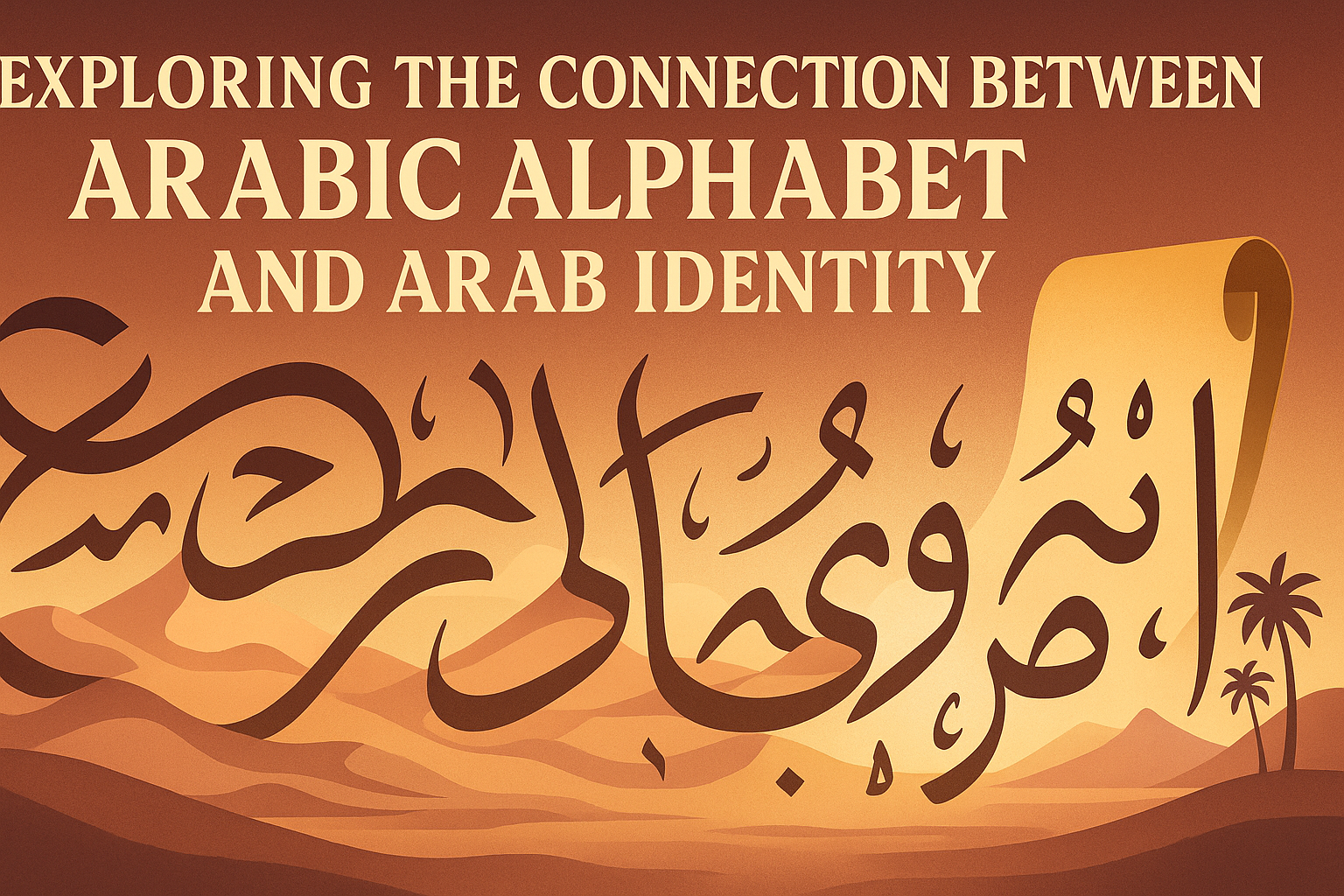
Exploring the Connection Between the Arabic Alphabet and Arab Identity
The Arabic alphabet is more than just a writing system; it’s a profound symbol of cultural identity for millions across the Arab world. 🌍 This blog post delves into how the Arabic script intertwines with Arab heritage, culture, and personal identity. Let’s embark on a journey to understand this beautiful connection.
Table of Contents
1. Introduction to the Arabic Alphabet
2. The Historical Roots of the Arabic Script
3. Arabic Alphabet and Cultural Identity
4. The Role of Language in Shaping Identity
5. Conclusion: The Timeless Bond
6. FAQs
Introduction to the Arabic Alphabet 📜
The Arabic alphabet is used by over 400 million people worldwide. Its unique script is not just a means of communication, but a rich tapestry of history and culture. From calligraphy to poetry, the Arabic script has been a cornerstone of art and literature in the Arab world. But what makes this alphabet so integral to Arab identity?
The Historical Roots of the Arabic Script 🏺
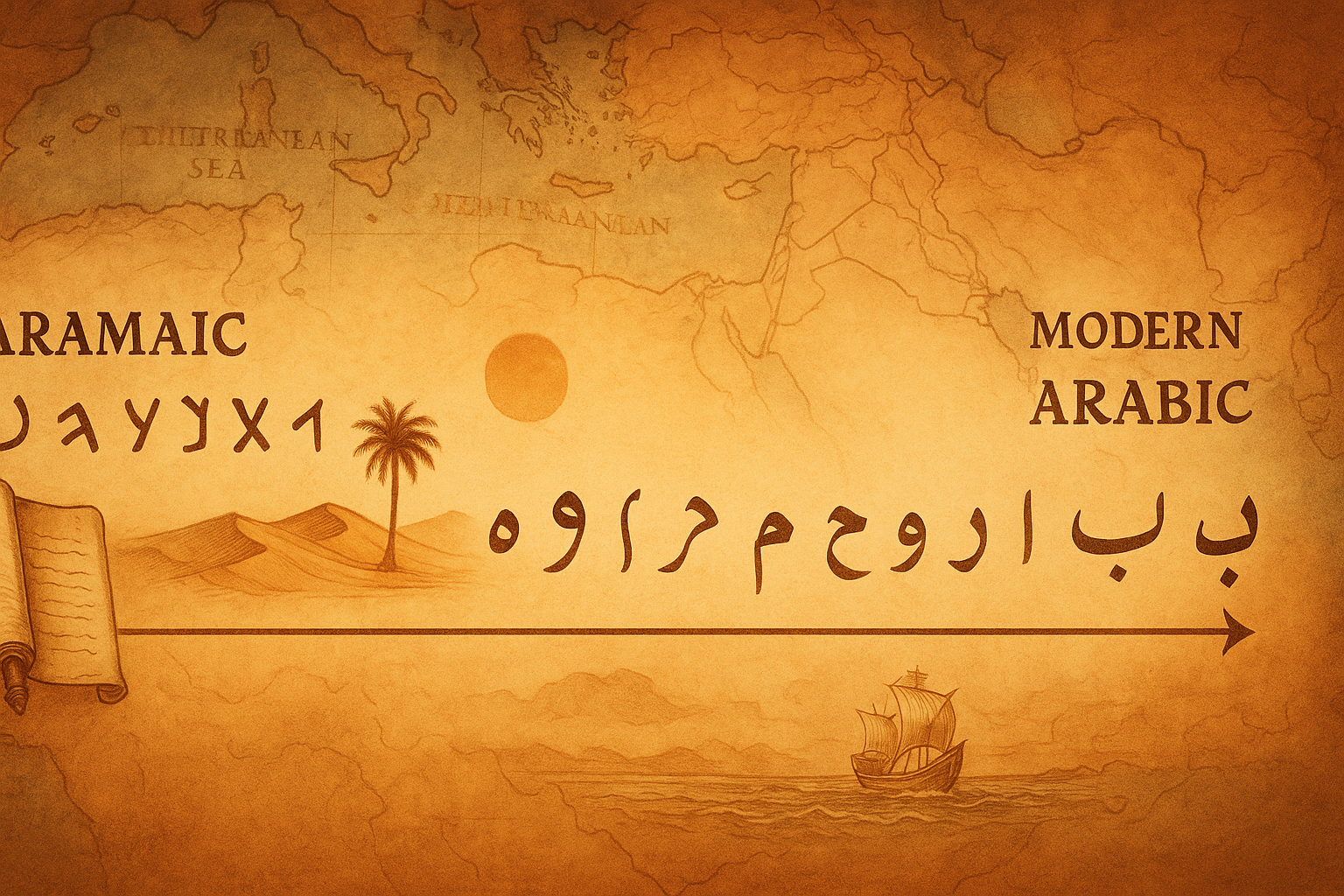
The journey of the Arabic alphabet began long before the rise of Islam, with its roots tracing back to the Aramaic script. Over centuries, it evolved into the 28 letters we recognize today. This evolution was not just linguistic but also cultural, as it spread through trade, conquest, and the dissemination of religious texts. Each letter carries centuries of history, embodying the rich legacy of the Arab people.
Arabic Alphabet and Cultural Identity 🎨
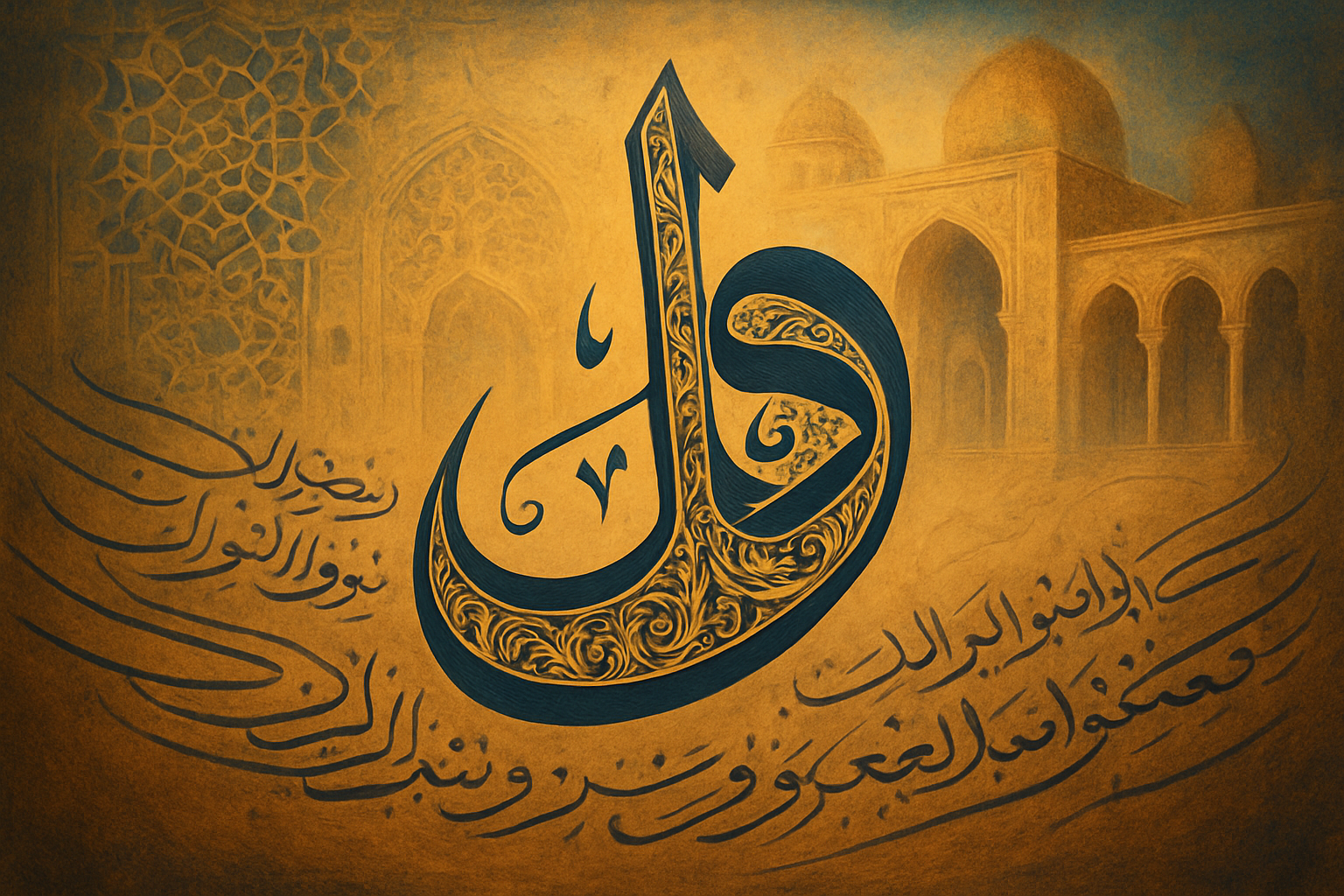
For many, the Arabic script is a source of pride, a visible marker of their heritage. It’s seen in the intricate designs of Islamic architecture, the mesmerizing strokes of Arabic calligraphy, and the rhythmic verses of Arabic poetry. This script serves as a bridge, connecting modern-day Arabs with their ancestors, preserving traditions, and fostering a shared sense of identity.
The Role of Language in Shaping Identity 🗣️
Language is a powerful force in shaping identity, and the Arabic language is no exception. It influences social norms, values, and even politics in the Arab world. The Arabic script’s presence in religious texts like the Quran further cements its role in shaping not only individual identities but also collective consciousness.
Conclusion: The Timeless Bond ⏳
The Arabic alphabet is more than a functional tool for writing; it’s an enduring emblem of Arab identity. It connects past and present, acting as a cultural touchstone for millions. As we move forward in an increasingly digital world, the Arabic script continues to be a vibrant part of everyday life, bridging generations and geographies.
FAQs
Q1: Why is the Arabic alphabet important to Arab identity?
The Arabic alphabet is a symbol of cultural heritage, connecting individuals to their history, religion, and art. It plays a crucial role in unifying the Arab world.
Q2: How did the Arabic script evolve?
The Arabic script evolved from the Aramaic alphabet over centuries, influenced by various cultures and languages through trade, conquest, and religious dissemination.
Q3: What role does Arabic calligraphy play in Arab culture?
Arabic calligraphy is a revered art form that showcases the beauty of the Arabic script. It is used in religious texts, architecture, and art, reflecting the cultural and aesthetic values of the Arab world.
Q4: How does the Arabic language influence Arab society?
The Arabic language influences social norms, values, and politics. It is a key part of religious practices and plays a significant role in maintaining cultural continuity.
Understanding the Arabic alphabet is a gateway to appreciating the depth of Arab identity. Its beauty and significance continue to inspire and connect people across the globe.